


Student Commuting Scooter Example for Melbourne

A 9 am tutorial in Clayton, a shift in South Melbourne at 4 pm, then home before the evening gets away from you. This student commuting scooter example is built around a common Melbourne reality: your timetable changes, public transport does not always line up, and owning a car can chew through a student budget fast.
For the right rider, a scooter can turn a two-bus trip into one direct ride, make parking less painful and give you more control over your day. It is not the best choice for every student, especially if you are not comfortable riding in traffic or regularly need to carry friends and bulky gear. But if you want affordable transport without the long-term costs and hassle of owning a car, it is worth running the numbers.
A student commuting scooter example in real life
Meet Sam, a uni student renting in Glen Waverley. Three days a week, Sam travels to campus in Clayton. On two of those days, there is also an afternoon hospitality shift in South Melbourne. Public transport is available, but the trip can mean a train, a bus, a wait between services and a longer walk from the stop to the lecture theatre or workplace.
Sam rents a registered scooter rather than buying one outright. The goal is simple: get to class on time, arrive at work without a sweaty walk from the station, and avoid paying for a car that mostly sits parked during lectures.
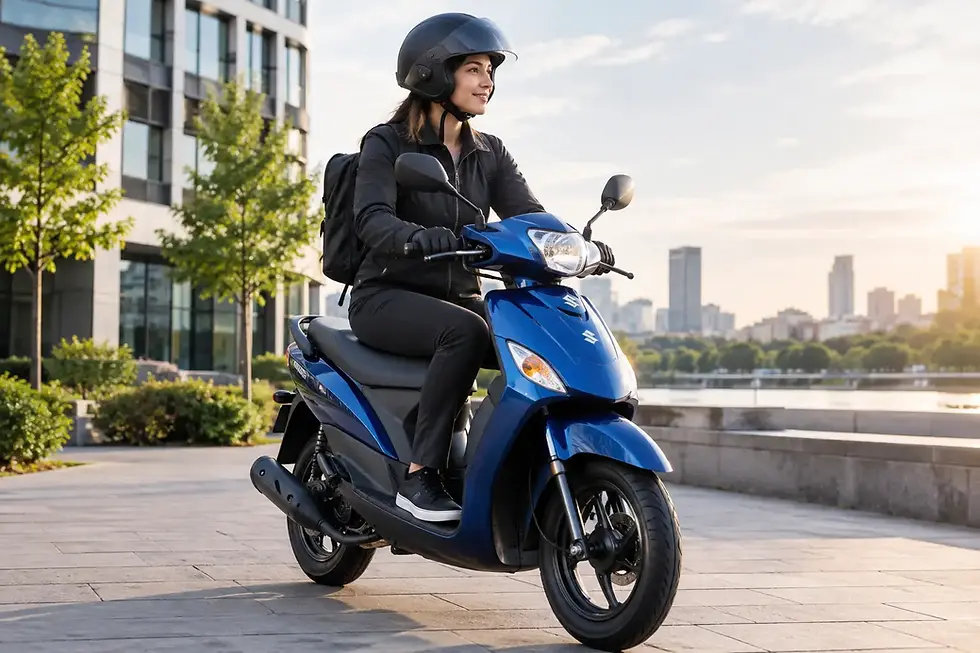
On a normal campus day, Sam checks the weather, puts on a helmet and proper riding gear, then takes a direct route to Clayton. Parking a scooter is generally easier than finding a car space, but it still pays to check campus rules and use designated motorcycle or scooter parking where required. A mobile holder makes navigation much easier, particularly when learning the quieter streets and avoiding roads that feel too fast or busy.
After class, the scooter gives Sam the option to head straight to work rather than planning the day around a train timetable. That flexibility matters when tutorials run late, a shift is changed at short notice, or you have a group assignment meeting across town.
Where the savings can come from
The biggest mistake is comparing a scooter only with the cost of a Myki fare. For some students who live near a train line and attend campus a few days each week, public transport may remain the cheaper choice. A scooter starts to look more appealing when you factor in time, missed connections, rideshares after late shifts and the cost of keeping a car on the road.
With a rental scooter, the weekly payment is only one part of the picture. Ask what is included before you compare options. Registration, CTP insurance, scheduled maintenance, roadside assistance and a helmet can add real value because these are costs and jobs you would otherwise need to organise yourself. Fuel use is usually low compared with a car, but it still depends on the model, your route, stop-start traffic and how often you ride.
Sam’s comparison is not just about dollars. On busy days, the scooter can save enough travel time to fit in an extra study session, start a shift without rushing, or get home earlier. That does not make it automatically cheaper than every public transport trip. It makes it a practical option when time and flexibility are part of the budget too.
Be realistic about the costs that remain. You will need suitable protective gear beyond the basic helmet, money for fuel and a secure way to carry essentials. If you choose paid parking in some areas, include that too. The smart approach is to map out your usual weekly trips first, then compare the full cost and time against trains, trams, buses, rideshares and car ownership.
Is a scooter suitable for your route?
A scooter works best when your trips are reasonably direct and you can ride with confidence in Melbourne traffic. Sam’s route includes suburban roads, busy intersections and a few sections where traffic can build up. The ride is manageable, but it requires focus, patience and route planning.
Before committing, try your likely commute outside peak hour if possible. Look for tricky right turns, fast multi-lane roads, poor road surfaces and places where trams, buses or delivery vehicles create extra movement around you. A route that looks short on a map can feel very different at 8 am in rain.
Weather is the other major trade-off. Melbourne can give you a cold start, rain at lunch and wind in the afternoon. If you only have to commute a few blocks, you may decide a scooter is not worth it on rough-weather days. For a longer trip with poor public transport connections, wearing proper wet-weather gear and allowing extra time can still make the ride worthwhile.
It also depends on what you carry. A backpack is fine for a laptop, notes, lunch and a change of clothes, provided it is worn securely and does not affect your movement. Large art portfolios, sporting gear or a week’s worth of groceries are less convenient. Do not overload the scooter or hang bags from the handlebars - stable handling matters more than squeezing in one extra item.
Start with licences, safety and confidence
A scooter is a motor vehicle, not a shortcut around Victorian road rules. Before renting or riding, make sure you hold the correct Victorian motorcycle licence or learner permit for the vehicle you will use, and understand any conditions that apply to you. Check the current rules directly before you make plans, particularly if you are new to riding or have an overseas licence.
Training is money well spent. Learning to brake progressively, scan intersections, position yourself visibly in traffic and handle wet roads gives you a stronger start than simply being able to twist the throttle. Give yourself time to build experience on familiar roads before attempting a long ride across Melbourne in peak traffic.
Your helmet should fit correctly and be secured every ride. A jacket, gloves, long pants and enclosed footwear are sensible basics, even on warm days. Students often focus on getting to campus cheaply, but a minor fall at low speed can become far more serious without the right gear.
Build a quick pre-ride routine too. Check tyre condition, lights, indicators, mirrors and fuel level. Keep your mobile charged, but do not use it in your hand while riding. Set navigation before you leave and pull over safely if you need to change the route.
Why renting can suit student life
Buying a scooter means paying upfront, arranging registration and insurance, finding a mechanic, dealing with breakdowns and later trying to sell the vehicle. That can be worthwhile for a long-term rider, but student life is rarely fixed. Your subjects, work roster, housing and budget can all change within a semester.
Renting can make more sense when you need transport now but do not want to take on the full responsibility of ownership. Look for a provider that explains exactly what is covered, offers support if something goes wrong and can help with delivery or collection where available. Clear inclusions make budgeting easier and reduce the chance of an unexpected maintenance bill landing in the middle of exam period.
For students around Melbourne who need a flexible option, Skootify Australia can provide scooter rentals with practical inclusions such as registration, CTP insurance, maintenance, roadside assistance and helmet options. The point is not to rent a scooter just because it looks convenient. It is to choose transport that actually suits your routine and does not create extra admin.
A quick decision check before you book
A scooter may be a strong fit if you commute several days a week, travel between campus and work, struggle with unreliable connections or value the ability to leave when you are ready. It may be less suitable if you are uncomfortable in traffic, have no safe place to park near home, routinely carry large loads or only make a short trip once or twice a week.
Write down your real weekly schedule, including late classes, shifts and social commitments. Then test the journey times, check licensing requirements and price the complete arrangement rather than chasing the lowest advertised figure. A good student transport choice should make your week calmer, not add another thing to manage.
When your timetable is packed, the best ride is the one that gets you to class, work and home with less waiting, less stress and enough money left for the important stuff.

Comments