


Rental Scooters Versus Bicycles for Melbourne

A bike looks like the cheapest way to get around until it is bucketing down at 7:30 am, you are running late for a shift, or you need to carry more than a backpack. That is where the rental scooters versus bicycles decision gets real. Both can beat a car for city parking and short trips, but they solve different transport problems.
For Melbourne and Geelong riders who need a dependable way to commute, study, visit clients or complete deliveries, the best option comes down to distance, effort, weather and how much flexibility you need each day. Here is the practical comparison.
Rental scooters versus bicycles: the everyday difference
A bicycle is simple, active and very cheap to run. For short, flat trips in decent weather, it can be hard to beat. You do not need fuel, registration or a licence, and you can often take advantage of bike paths and park close to your destination.
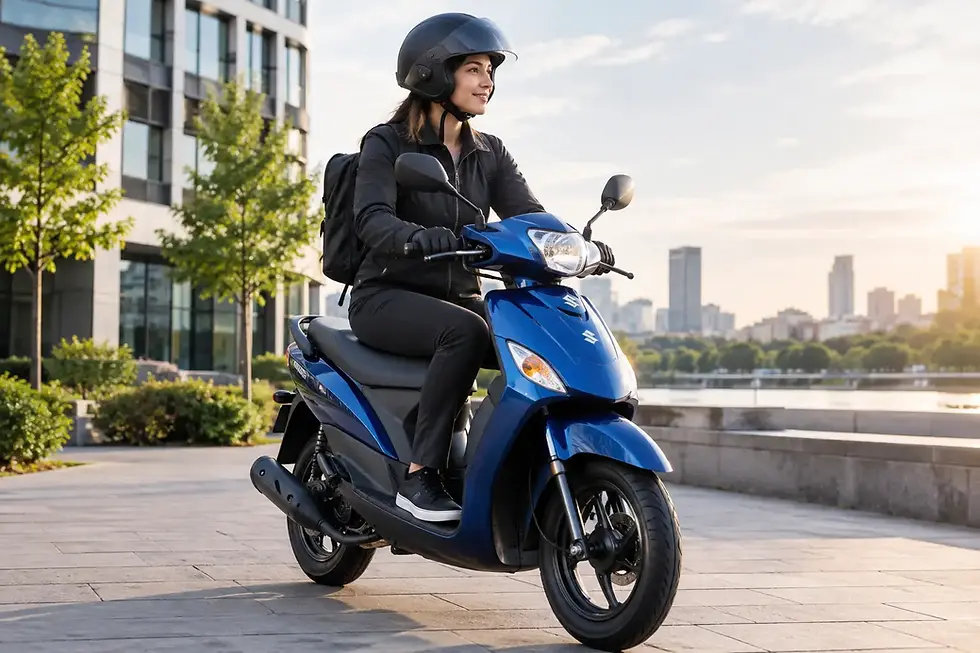
A rental motor scooter asks for more upfront preparation, including the right licence and safe riding habits, but it gives back speed, range and less physical effort. You can travel farther without arriving sweaty, carry a bit more gear, and get home without facing a long pedal after a full day on your feet.
The key difference is not whether one is universally better. It is whether your transport needs are occasional and local, or regular and time-sensitive.
Cost: cheap upfront versus predictable transport
Bicycles generally win on direct daily running costs. Once you own one, there is no petrol bill. Even with occasional servicing, tyres, lights and a good lock, the ongoing spend can stay low.
But buying a decent bike is not always the whole story. If you rely on it every day, you may also need wet-weather gear, panniers, secure storage and regular repairs. Theft is another real concern around busy train stations, apartment blocks and CBD areas. A cheap bike that repeatedly needs repairs, or disappears from a rack, is not such a bargain.
With a rental scooter, the weekly cost is clearer. You are paying for access to a vehicle without needing to buy it outright, which can suit people watching their cash flow. Fuel use is low compared with a car, particularly for commuting across suburbs or making multiple stops during a shift.
The biggest advantage of a well-supported scooter rental is that major ownership headaches can be bundled in. At Skootify Australia, rentals can include registration, CTP insurance, maintenance, roadside assistance, helmets, a mobile phone holder and emergency support. That means fewer surprise costs and no need to find a mechanic when something goes wrong.
A bicycle is still the budget pick for short, regular rides. A rental scooter becomes better value when it replaces frequent public transport fares, rideshare trips or car costs, while giving you a vehicle ready for daily use.
Time and distance change the answer fast
For a two-kilometre trip to the shops, a bicycle is often perfect. You avoid traffic, get fresh air and do not have to think about petrol. In dense inner suburbs, a bike can be quicker than a car when parking and congestion are factored in.
The equation changes when your trip is 8, 12 or 20 kilometres, especially if you are travelling through several suburbs. A scooter covers that distance much faster than pedalling and with far less effort. It can be the difference between arriving ready for work and arriving needing a shower and a change of clothes.
This matters for hospitality workers with early or late shifts, students travelling between campus and work, and gig workers who cannot afford to lose time between jobs. It also matters if your public transport route involves multiple connections. A direct scooter trip can save the waiting, walking and timetable stress.
Bikes are at their best when your world is close together. Scooters suit people whose daily life is spread across Melbourne or Geelong.
What happens when the weather turns?
Melbourne weather has a habit of changing its mind. Cycling in light rain is manageable with the right gear, but strong wind, heavy rain and cold mornings can make a bike commute feel like a chore. You may need to carry waterproof clothing, protect your work bag and allow extra time.
A scooter does not make bad weather enjoyable, and safe riding always comes first. But it reduces the time you spend exposed to the elements and takes the physical slog out of the trip. For someone who needs to show up presentable, that can be a major benefit.
Parking is easy for both, but not identical
Both bicycles and scooters are far easier to park than cars. That is a big win in places where car parks are expensive, streets are crowded and finding a space can take longer than the drive itself.
A bike can often be locked near the door, provided there is a proper rack and you are not blocking the footpath. The downside is security. Leaving a bike outside for hours requires a quality lock and a location you trust.
Scooters need legal motorcycle parking or an appropriate parking space, but their compact size makes them practical for urban travel. You are not circling blocks looking for a car-sized gap. For commuters and delivery riders, easy parking means less wasted time and less stress at every stop.
Before choosing either option, check your usual destinations. If your office has secure bike storage and showers, cycling gets more attractive. If your work involves visiting several locations or carrying equipment, a scooter usually makes more sense.
Carrying gear, groceries and delivery orders
This is where bicycles and scooters serve very different riders. A bike can carry a backpack, groceries or a small load with a basket or panniers. It is great for a quick supermarket run or a laptop commute.
Once your load gets heavier, larger or more frequent, cycling becomes harder work. Hills, headwinds and traffic stops all feel different with a full bag. For delivery work, the physical effort also adds up over a long shift.
A scooter is better suited to riders who need to move gear without turning every trip into a workout. It is a practical choice for food delivery, restaurant operators and anyone making multiple runs in one day. You still need to pack safely and stay within the vehicle's load limits, but the scooter does the moving while you focus on the job.
For delivery-based work, speed and stamina are income factors. A bike may suit tight CBD trips and riders who prefer pedal power. A scooter can be the stronger tool when deliveries stretch across suburbs, shifts are long and every extra drop matters.
Convenience is more than the vehicle
A bike is convenient when you already own one, have somewhere secure to keep it and only need it for manageable local trips. There is very little setup, which is a genuine advantage.
A scooter rental is designed for people who want the benefits of a vehicle without taking on ownership straight away. Rather than spending thousands buying a scooter, organising insurance, handling registration and budgeting for repairs, you can rent for the period that suits you. If ownership is your goal later, a rent-to-own option can also be a useful stepping stone.
The service around the scooter matters as much as the scooter itself. Vehicle delivery to your location, mobile mechanical support and roadside assistance save time when life is busy. If your transport is how you get to work or earn money, having help available is not a bonus. It is part of keeping your week moving.
Choose a bicycle if your trips are local
A bicycle is likely the right call if most of your trips are short, you enjoy riding, your route is bike-friendly and you have secure storage at home and work. It is also ideal if fitness is one of your priorities and you do not need to carry much.
Choose a rental scooter if you need to travel farther, get to work without arriving exhausted, cover late shifts, carry delivery gear or avoid the ongoing commitments of vehicle ownership. Make sure you hold the required licence, wear proper safety gear and ride to the conditions.
There is no prize for choosing the cheapest option on paper if it does not fit your routine. Pick the transport that gets you to work, class, deliveries and home with the least hassle - then you are far more likely to use it every day.


Comments