


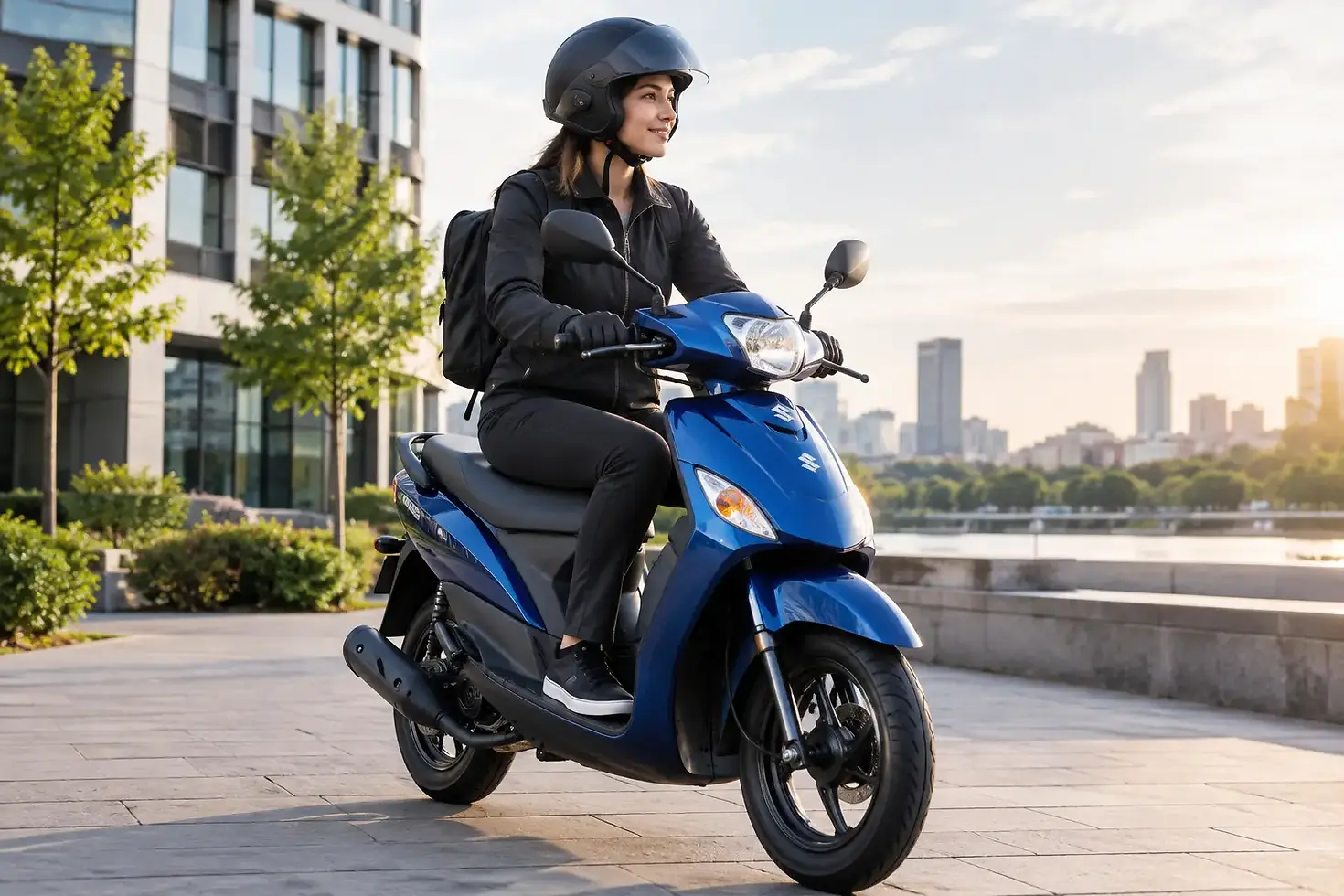
Choosing a Low Maintenance Commuting Vehicle

A low maintenance commuting vehicle should make your morning easier, not give you another bill, booking or breakdown to worry about. If you are spending too much on fuel, parking, rideshares or public transport, the right scooter or small motorbike can turn a frustrating trip across Melbourne or Geelong into a quick, affordable ride.
The key is looking beyond the purchase price. A cheap vehicle that needs constant repairs is not cheap for long. For daily commuters, students, shift workers and delivery riders, low maintenance means predictable costs, simple servicing and support when something does go wrong.
What makes a low maintenance commuting vehicle?
Low maintenance does not mean zero maintenance. Every road vehicle needs tyres, brakes, fluids and regular safety checks. It means choosing a vehicle that has fewer expensive surprises and is easy to keep on the road.
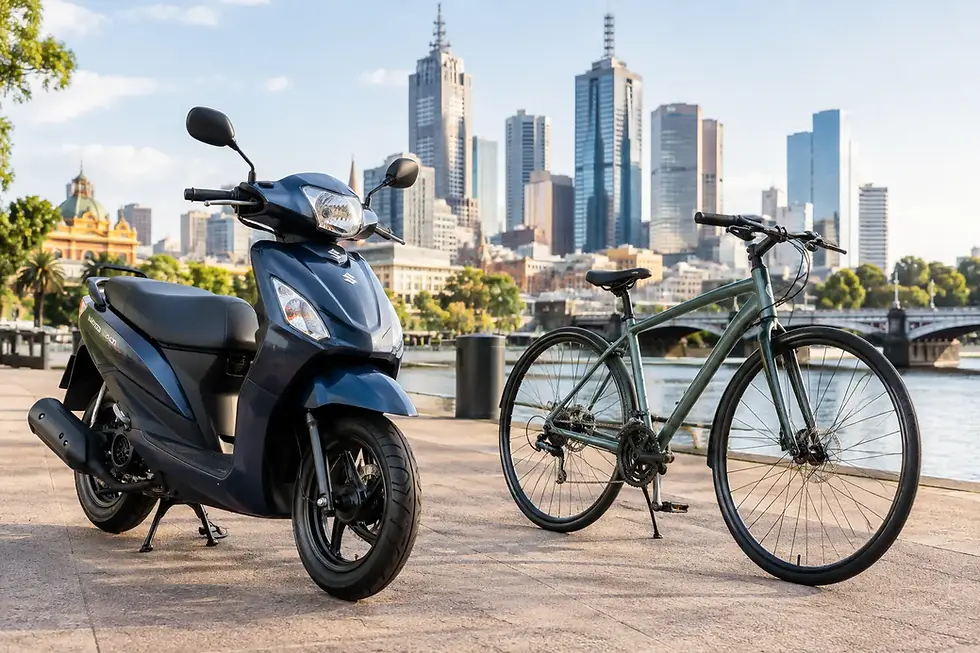
For most urban riders, a reliable scooter is one of the strongest options. Scooters use less fuel than cars, have straightforward mechanical systems and are built for the stop-start traffic that wears larger vehicles down. They are also easier to park close to work, uni, shops or home, which can save plenty of time each week.
A practical commuter vehicle usually has four things going for it:
Good fuel economy for regular city riding
A proven engine with readily available parts
Simple, scheduled servicing rather than frequent repairs
A support plan for breakdowns, maintenance and emergencies
That final point matters more than many people realise. Even a dependable scooter can get a flat tyre or need a battery replacement. A rental arrangement that includes maintenance and roadside assistance can be lower hassle than ownership, especially if you do not have a garage, tools or spare time to organise a mechanic.
Why scooters suit Melbourne commuting
Cars are useful when you need to carry several people or large loads. But for one person travelling to work, class or a delivery shift, a car can be a costly solution. Fuel, servicing, registration, insurance, parking and repairs add up quickly. Sitting in peak-hour traffic does not help either.
A scooter is designed for the everyday trips many people actually make: getting from home to the office, heading to a hospitality shift, visiting clients or moving between suburbs. It takes up far less space, is easy to manoeuvre and can be far cheaper to run than a car.
Melbourne weather is the obvious trade-off. Rain, cold mornings and wind can make any two-wheel commute less comfortable. Good wet-weather gear and a proper helmet make a major difference, and it is worth planning an alternative for extreme conditions. But on typical urban trips, the time saved on parking and traffic can outweigh the occasional wet ride.
Choose reliability over extra power
For commuting, you rarely need the biggest engine or the flashiest model. A scooter with sensible power, a comfortable riding position and established servicing requirements is often the smarter pick. More power can mean higher fuel use, more expensive tyres and greater temptation to ride beyond your comfort level.
Look for an automatic scooter if you want an easy start. There are no gears to manage in traffic, making it a practical option for newer riders and anyone who wants a simpler ride after a long workday. A step-through frame also makes getting on and off easier, particularly when you are carrying a backpack or work gear.
Storage is another practical factor. Under-seat storage can handle smaller essentials, while a top box may suit riders who carry a laptop, uniform, food delivery bag or rain jacket. The best vehicle is not just cheap to operate. It should fit your actual routine without making every trip awkward.
Think about your daily distance
Your commute distance affects the right choice. For shorter trips around inner and middle suburbs, a fuel-efficient scooter is usually a strong fit. For longer rides, comfort becomes more important. Check the seat, suspension, riding position and fuel range before deciding.
If you regularly travel on faster roads, make sure the scooter is suitable for those speeds and that you feel confident riding there. A low-maintenance option still needs to be safe and legal for the routes you use.
Ownership versus renting: where the hassle sits
Buying can work well if you know exactly what you want, have money available upfront and are happy to manage the running costs yourself. You own the asset, but you also take on the admin. That includes registration, insurance, servicing, tyre replacements, repairs and arranging help if the vehicle stops on the road.
Renting shifts much of that work away from you. This can be especially useful for international residents, students, casual workers and people who need transport now without a large upfront payment. It also suits delivery riders whose vehicle needs to stay reliable because a day off the road can mean lost income.
With Skootify Australia, scooter rental can include registration, CTP insurance, scheduled maintenance, roadside assistance, a helmet, phone holder and 24/7 emergency support. Rather than chasing separate providers, you have a clearer path to getting on the road and staying there.
Rent-to-own can be worth considering if you want the flexibility of a rental arrangement now but have ownership in mind later. It depends on your budget, how long you expect to need the vehicle and whether you prefer fixed weekly costs over the responsibilities that come with immediate ownership.
Small habits that keep maintenance low
The vehicle you choose matters, but the way you ride and look after it matters too. A few simple checks can prevent the small issues that turn into expensive repairs.
Check tyre pressure regularly. Under-inflated tyres wear faster, use more fuel and can make handling less stable. Keep an eye on the tyre tread as well, especially before wetter months. Good tyres are one of the most important safety features on a scooter.
Pay attention to brakes, lights and warning signs. If the brakes feel different, a light stops working or the engine sounds unusual, get it checked early. Waiting until a minor issue becomes a roadside problem usually costs more and creates more stress.
Follow the service schedule. Skipping a service might save money this week, but it can shorten engine life and make a future repair far more expensive. Regular oil changes and inspections are basic, but they are what keep a commuter vehicle dependable.
Finally, park thoughtfully. Use secure, legal parking where possible, keep valuables out of sight and protect the scooter from prolonged exposure to harsh weather. A cover can help if it is parked outside often, though it should only be fitted once the engine and exhaust have cooled.
The real cost is time as well as money
When comparing transport, do not only look at weekly fuel spend. Think about the time spent looking for parking, waiting for delayed services, arranging repairs and getting around when your car is off the road. A vehicle that is cheap but unreliable can cost far more in missed shifts and last-minute rideshares.
For many people, the best low maintenance commuting vehicle is not necessarily the one with the lowest sticker price. It is the one that is fuel-efficient, easy to ride, simple to park and backed by maintenance support that keeps disruptions to a minimum.
Before you commit, map your usual route, work out your weekly travel needs and choose an option that leaves room in your budget for proper gear and safe riding. A commuter scooter should give you more freedom to get where you need to go - without making transport the hardest part of your day.


Comments