


Rising Courier Demand Is Changing City Work

A dinner rush used to mean a packed dining room. Now it can mean twenty mobile orders landing in ten minutes, with customers expecting every bag to arrive hot, complete and on time. Rising courier demand is changing how Melbourne businesses run and how many people earn extra income, build flexible work or get moving without taking on the cost of a car.
For riders, the opportunity is real, but so is the need for a reliable vehicle. For restaurants, speed matters, but so do delivery costs, rider availability and customer reviews. A scooter or motorbike can make a practical difference because it is cheap to run, easy to park and better suited to busy urban streets than a full-sized car in many delivery situations.
Why rising courier demand is sticking around
Convenience has become part of the service, not a bonus. Customers order meals, groceries, pharmacy items and everyday essentials when they are working late, looking after kids, recovering at home or simply avoiding a trip through traffic. They also compare delivery times closely. A business that takes too long to dispatch an order can lose the next one before the first bag has left the kitchen.
That does not mean every delivery business needs a fleet of vehicles. It does mean operators need a plan that works when demand spikes. Friday and Saturday nights, wet weather, public events and lunch rushes can quickly expose a weak delivery setup. If a driver is unavailable, a car is off the road or parking takes fifteen minutes, the whole order flow slows down.
For independent riders, courier work can offer flexibility around study, another job or family commitments. The trade-off is that earnings rely on being available when orders are busy, while fuel, maintenance and downtime need to be kept under control. The right vehicle is less about looking flashy and more about completing shifts consistently.
What courier riders need from a vehicle
A delivery vehicle has a hard job. It needs to start reliably, handle stop-start riding, carry a delivery bag securely and stay affordable even when kilometres add up. In inner Melbourne, Clayton, St Kilda or Footscray, it also needs to deal with tight parking, crowded streets and regular short trips.
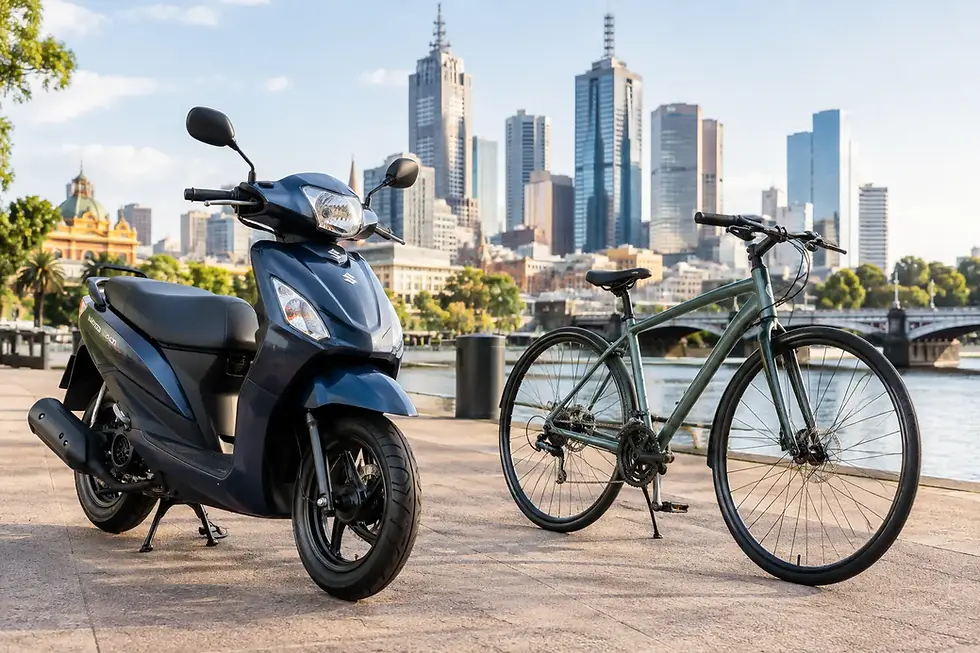
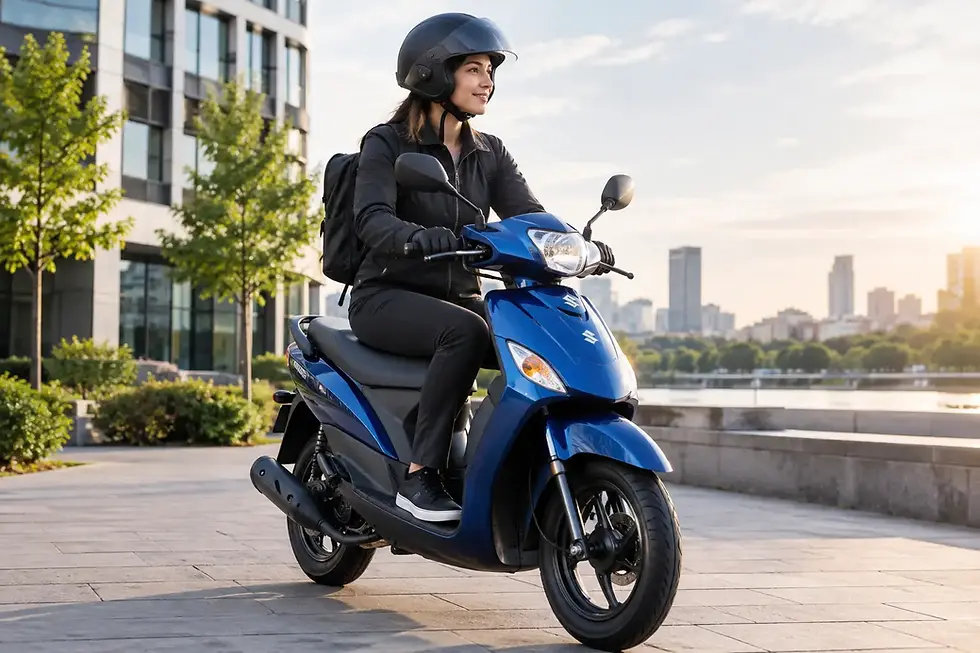
A scooter is a strong option for many food and small-item deliveries. Its fuel use is generally low, it is easier to manoeuvre than a car and finding a legal parking spot can be far less stressful. For a rider doing multiple short drops in one shift, those minutes saved at each stop can add up.
Motorbikes may suit riders who travel longer distances, carry heavier loads or prefer more power on faster roads. The best choice depends on the delivery area, the size of typical orders and the rider's licence conditions and confidence. A compact scooter may be ideal for short urban runs, while a larger bike can be more suitable for broader service zones.
The vehicle itself is only one part of the job. Riders also need a properly fitted helmet, a secure mobile holder for navigation, a weather-aware plan and access to support when something goes wrong. Losing half a shift to a flat tyre or mechanical issue is frustrating for a casual rider and costly for someone relying on delivery income.
The real cost of getting on the road
Buying a vehicle can look cheaper at first glance, especially if there is a low advertised price. But courier work puts regular wear on tyres, brakes, chains, batteries and servicing intervals. Registration, insurance, unexpected repairs and the time spent organising them all need to be factored in.
That is why renting can make sense for people who need to start working sooner without a large upfront spend. It can also suit riders testing whether delivery work fits their lifestyle, international residents who need transport now, or anyone who does not want a repair bill to derail their month.
With a practical rental arrangement, the focus can stay on the road rather than the admin. Inclusions such as registration, CTP insurance, maintenance, roadside assistance, helmets and emergency support remove many of the ownership headaches. It is worth checking exactly what is included before choosing any rental, as terms, excesses and service coverage can vary.
For people who know they will need a vehicle for the long term, rent-to-own may be worth considering. It can offer a stepping stone between short-term access and ownership. It is not automatically the right answer for every rider, though. Compare the total commitment, flexibility and your expected work schedule before deciding.
Rising courier demand puts pressure on restaurants too
Restaurants do not just need more orders. They need the capacity to fulfil those orders without slowing down dine-in customers or overwhelming the kitchen. A late courier pickup can leave meals sitting under heat lamps. An unreliable delivery setup can turn a great dish into a poor customer experience by the time it reaches the door.
For smaller operators, hiring a full-time driver or buying multiple vehicles may not be realistic. Flexible scooter or motorbike access can be a practical middle ground when a restaurant needs delivery capacity without locking up cash in assets that might sit idle during quieter periods.
The setup should match the operation. A café handling a short breakfast run has different needs from a restaurant covering dinner deliveries across several suburbs. Consider the usual delivery radius, the size of orders, peak trading hours and who will ride the vehicle. A small, efficient scooter may cover dense local deliveries well, while larger or more frequent orders may call for a different arrangement.
Reliability is where the value sits. A vehicle that is maintained, supported and ready to ride helps operators avoid the scramble of finding transport halfway through a busy service. Skootify Australia provides flexible scooter and motorbike rental options for delivery-based operators, with vehicle delivery and ongoing support designed to keep the work moving.
How riders can make delivery work more sustainable
Courier work is fast-paced, but rushing is not a strategy. Safe riding, sensible route planning and regular breaks matter, particularly during long shifts or poor weather. The goal is to complete more good deliveries over time, not to gamble on one quick trip.
Start by working out the numbers for your area. Track fuel, rental or ownership costs, mobile data, safety gear and the hours when orders are strongest. Some riders do best by focusing on lunch and dinner peaks; others use delivery work to fill a few hours between other commitments. Knowing your break-even point makes it easier to choose shifts that are worth your time.
Keep the vehicle organised as well. Charge your mobile before heading out, secure the delivery bag properly and check tyres, lights and fuel before a shift. These basics are not exciting, but they prevent the avoidable problems that cost riders orders and time.
Weather is another factor. Melbourne conditions can change quickly, so wet-weather gear and extra stopping distance are part of a professional setup. If conditions are unsafe, no delivery fee is worth taking unnecessary risks.
A flexible way to meet a faster city
The growth in delivery work is not just about more parcels and takeaway bags on the road. It is about people wanting quicker access to what they need, and businesses trying to meet that expectation without blowing out costs. Scooters and motorbikes give many riders and operators a simple answer: lower running costs, easier parking and a practical way to move through busy suburbs.
The smartest option is the one that fits the work you actually do. Choose a vehicle arrangement that keeps costs clear, support close by and your focus where it belongs - delivering safely, earning steadily and getting home without transport stress.

Comments