


Scooters Versus E Bikes: Which Suits Your Commute?
A packed tram, a delayed train or another lap around the block looking for a car park can make a short commute feel far too hard. When comparing scooters versus e bikes, the better option is usually the one that fits your actual trip - including hills, weather, carrying capacity and how often you need to travel.
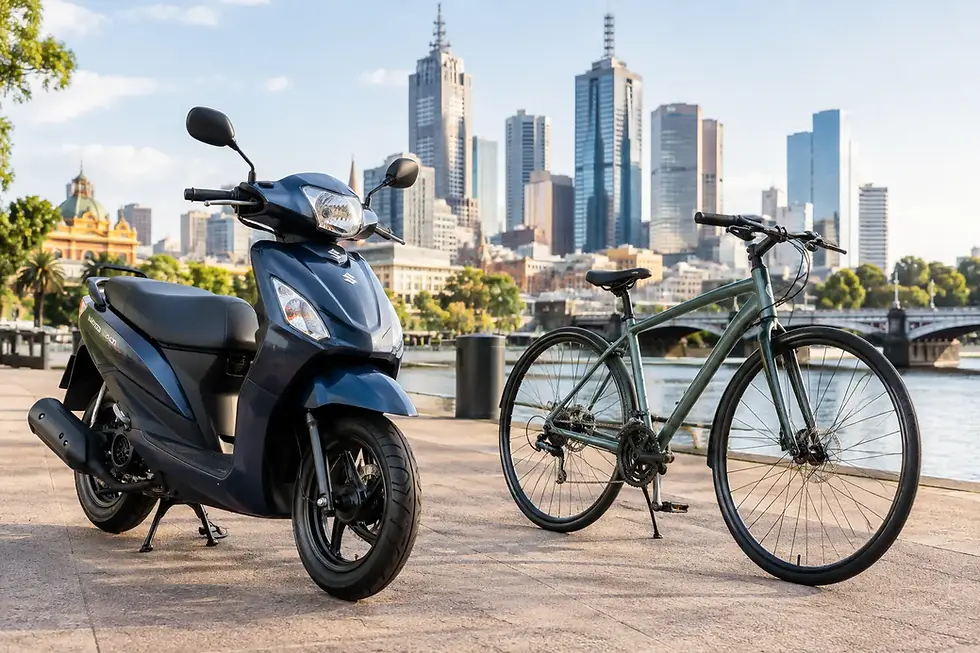
For many people around Melbourne and Geelong, both can be a smarter move than owning a car. They are easier to park, cheaper to run and far less stressful in stop-start traffic. But they are built for different routines. An e-bike suits riders who want to pedal with help. A motor scooter suits people who need greater range, faster trips and a practical vehicle they can rely on for commuting or delivery work.
Scooters Versus E Bikes: Start With the Type of Scooter
The word scooter can mean two very different things. A small electric stand-up scooter is governed by specific Victorian road rules and is not designed to replace a motorbike for longer travel, carrying loads or working shifts. A petrol or electric motor scooter is a road vehicle that requires the appropriate licence, registration and safety gear.
This comparison focuses mainly on road-registered motor scooters and e-bikes, because they are the options most likely to handle a regular commute, trips across suburbs and delivery work. Before riding either, check the current Victorian rules that apply to your vehicle, licence, helmet and where you plan to ride.
The Real Cost Is More Than the Purchase Price
An e-bike can look like the cheapest choice at first. Charging costs are low, servicing is generally straightforward and there is no petrol bill. If you already own a secure place to store it and your daily trip is short, that can make excellent financial sense.
A motor scooter has fuel, registration and insurance costs, but it often delivers much more transport for the money. Fuel-efficient scooters can cover significant distances on a small amount of petrol, and they do not leave you arriving tired or needing a shower after a long ride. For someone who would otherwise pay for rideshare trips, car parking or multiple public transport connections, the weekly numbers can stack up quickly.
The biggest cost difference is often ownership hassle. Buying a vehicle means paying upfront, arranging insurance, booking servicing and dealing with unexpected repairs. Renting can make budgeting simpler, especially when registration, CTP insurance, maintenance, roadside assistance, helmets and support are bundled into the arrangement. It is useful for students, new arrivals and workers who need transport now but do not want a large upfront cost.
Range and Speed Change What You Can Say Yes To
E-bikes are brilliant for short to medium trips. They flatten modest hills, make commuting less sweaty and can be a joy on a good bike route. A quality e-bike can comfortably cover a local commute, errands and casual weekend rides, provided you keep its battery charged and have secure storage at both ends.
Their limits show up when the route gets longer, the weather turns or you need to make several trips in a day. Battery range changes with rider weight, hills, assist level, wind, tyre pressure and load. If the battery runs low at the wrong time, an e-bike becomes a heavy bicycle.
A motor scooter gives you more freedom to take jobs, visit friends across town or change plans without calculating battery percentage. It is generally quicker than an e-bike over longer urban trips, particularly where cycling infrastructure is indirect. That makes a major difference for delivery riders and anyone travelling from outer suburbs into busier areas.
Speed should never be the only reason to choose a scooter. The value is consistency. You can leave home with a laptop, groceries or delivery gear, use regular roads where permitted, and arrive without exhausting yourself. For daily travel beyond a few kilometres, that reliability matters.
Parking: Both Beat Cars, but Not in the Same Way
An e-bike is compact, but it needs a safe rack or indoor space. Theft is a genuine issue, particularly for higher-value e-bikes and removable batteries. A strong lock helps, but riders still need to think about where the bike will sit for eight hours while they are at work or in class.
Scooters are also easy to park compared with cars, and that is one of their strongest urban advantages. You can often avoid expensive all-day car parks and the time wasted hunting for a space. However, you still need to park legally, secure the scooter and follow local restrictions.
For apartment dwellers, the decision can come down to storage access. If you can take an e-bike inside or have a locked bike room with charging access, it is convenient. If your building has suitable vehicle parking but no practical way to bring in and charge a bike battery, a scooter may fit your life better.
Weather, Comfort and What You Carry
On a crisp sunny morning, an e-bike can be the best part of your day. It gets you moving without the effort of a full bike ride. But Melbourne weather can change before lunch. Rain, cold winds and a long route can turn that same ride into a challenge.
A scooter does not make you weatherproof, but proper riding gear makes wet or cold conditions more manageable. You are also less exposed to the physical effort of pedalling into a headwind. That matters when you need to arrive presentable for a shift, meeting or class.
Carrying gear is another dividing line. An e-bike can handle a backpack and, with the right rack or panniers, a reasonable shop. A scooter usually makes everyday loads easier, with under-seat storage or a top box option depending on the model. For food delivery, restaurant supplies or a full day of personal essentials, that convenience is hard to ignore.
Which Option Works Better for Delivery?
For occasional local deliveries in a compact area, an e-bike may be enough. It keeps costs low and can move efficiently through bike-friendly routes. Riders need to factor in charging time, battery health, safe parking and the extra weight of insulated bags.
For riders working longer shifts or covering a wider area, a motor scooter is usually the more practical tool. It can handle more kilometres, more orders and more varied conditions with fewer interruptions. It also reduces the physical fatigue that builds up after hours in the saddle.
Restaurants have a similar choice. An e-bike may work for a tight delivery radius, while scooters can give staff the range and carrying capability to serve more customers. The right answer depends on delivery volume, terrain and the distances between the kitchen and customers.
Licences, Safety and Daily Responsibility
An e-bike may feel more accessible because the legal requirements are different from a motor scooter. But it is still a vehicle sharing space with cars, trams, pedestrians and trucks. A properly fitted helmet, lights, predictable riding and careful route planning are not optional extras.
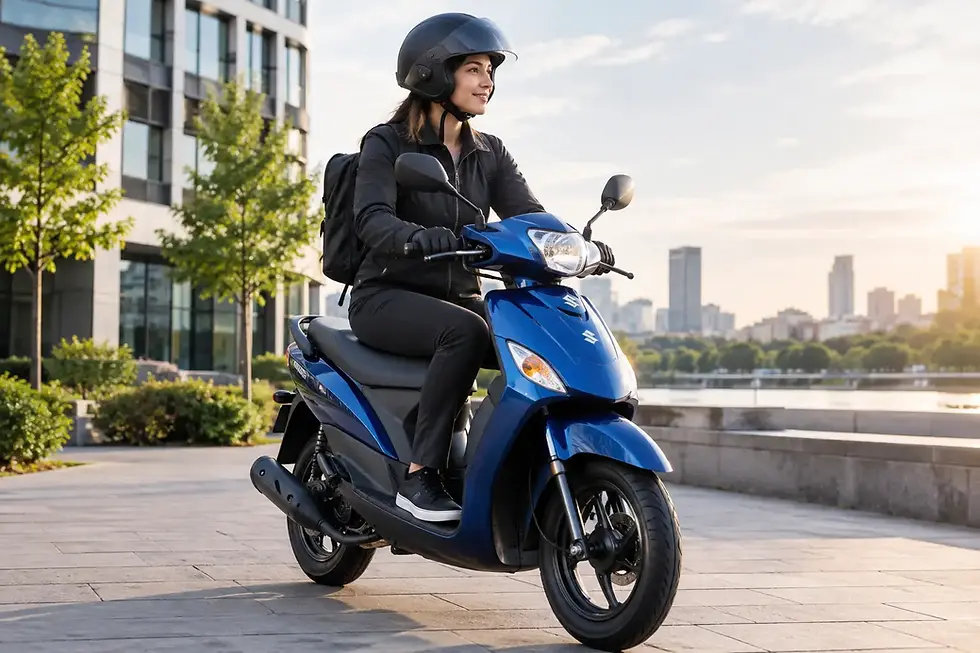
A road-registered scooter requires the appropriate motorcycle licence and a more deliberate approach to training and protective equipment. That extra step is worth taking seriously. Good riding habits, a quality helmet, gloves, jacket and wet-weather gear make everyday trips more comfortable and can make a real difference when traffic becomes unpredictable.
Do not choose based on the idea that one is completely hassle-free. Every transport option comes with responsibility. The practical question is which set of responsibilities gives you the most useful mobility for your money.
Choose for Your Week, Not Just Your Best Day
Choose an e-bike if your trips are mostly short, you have safe charging and storage, you enjoy pedalling and your route has strong cycling infrastructure. It is especially appealing for a regular local commute where you want low running costs and a little movement built into the day.
Choose a motor scooter if you travel further, need to carry more, work delivery shifts, deal with unreliable public transport or want a vehicle that can cover more of Melbourne and Geelong without range anxiety. It is a practical middle ground between a bicycle and a car - easy to park, cheap to run and ready when plans change.
If ownership is the sticking point, a flexible rental can let you test whether scooter life genuinely suits your routine before making a bigger commitment. Skootify Australia can bring a rental scooter to eligible customers and keep the basics such as maintenance and support far simpler than owning alone.
The best ride is the one that makes Monday morning easier, not just the one that looks good on a sunny Sunday. Map your usual week, add the grocery run, late finish, rainy day and occasional trip across town, then choose the option that still works when life gets busy.

Comments