


Delivery Scooters or Ebikes in Melbourne?

The wrong delivery vehicle costs you twice - once in money, and again in time. If you're weighing up delivery scooters or ebikes, the real question is simple: what helps you earn, move and park with less hassle in the suburbs and inner-city streets you actually ride every day?
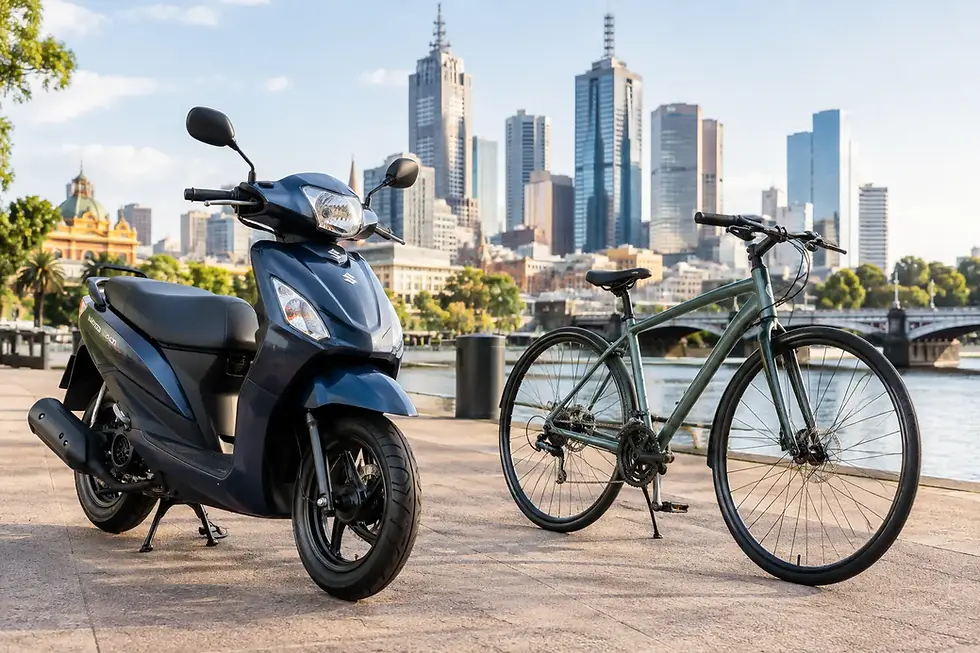
For plenty of riders, both options can work. But they do different jobs well. An ebike can be brilliant for short, dense delivery zones with easy charging and lighter loads. A scooter makes more sense when you need longer range, faster turnaround and fewer interruptions across a full shift. If you're delivering in Melbourne traffic, ducking between restaurant pickups and apartment drop-offs, the difference matters.
Delivery scooters or ebikes: what changes day to day?
On paper, the choice can look like a basic cost comparison. In practice, it affects your whole shift. It changes how far you can travel, how many orders you can take, where you can park, how tired you feel at the end of the night, and how often you're stopping to recharge or reset.
Ebikes are appealing because running costs are low and they feel approachable. They're quieter, lighter and often easier for new riders to get comfortable with. If most of your work is in compact areas with short distances between pickups and drop-offs, that can be enough.
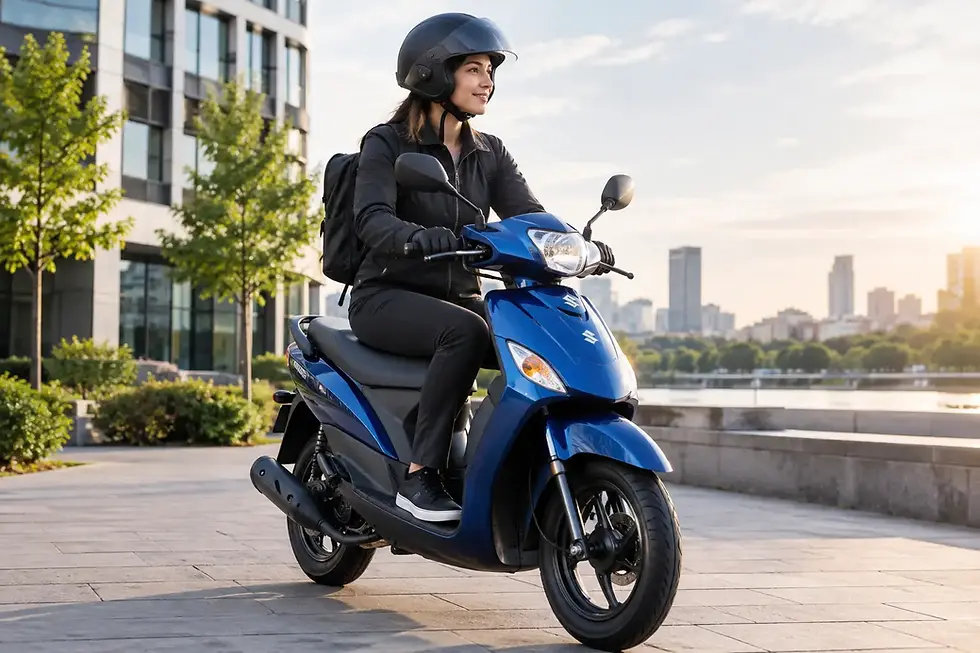
Scooters, though, offer a different kind of practicality. They cover more ground with less effort, carry gear more comfortably and suit riders who need transport that can handle commuting and delivery work in one package. If you finish a lunch shift and still need to get across town, a scooter starts looking less like a luxury and more like the sensible tool for the job.
Cost matters, but not just the weekly figure
A lot of people start with fuel versus charging costs. Fair enough. Ebikes are usually cheaper to run if you're only looking at energy use. But delivery work isn't only about what powers the vehicle. It's about time, reliability and output.
If an ebike saves you money on charging but limits how many jobs you can comfortably complete in a shift, the cheaper option may not be the better earner. That is especially true if your delivery zone stretches beyond a tight inner-city grid, or if your work peaks at night when back-to-back orders leave little time to stop.
Scooters cost more to run than ebikes, but they're still far cheaper than owning and running a car for delivery work. Fuel use is low, parking is easier and you avoid plenty of the stress that comes with sitting in traffic in a larger vehicle. When registration, CTP, maintenance and support are bundled into a rental, the maths can become a lot more predictable too.
For restaurant operators, this matters even more. A delivery setup has to be dependable, not just cheap on paper. If riders are delayed because a vehicle isn't practical for the workload, customers feel it fast.
The hidden cost of downtime
This is where plenty of comparisons go wrong. Downtime rarely shows up in a basic price check, but it hits hard. Waiting on a battery recharge, dealing with maintenance yourself or losing shifts because your vehicle isn't suitable can wipe out small savings quickly.
A practical delivery vehicle should let you keep moving with minimal friction. That's why support, servicing and roadside help matter just as much as fuel economy.
Range, speed and suburbs make a big difference
If all your deliveries happen within a few kilometres, an ebike may do the job well. In dense areas with bike-friendly routes and short order cycles, it can be fast enough and nimble enough to make sense.
But Melbourne and Geelong riders don't always work in neat little circles. A lunch run can stay local, then a dinner shift can pull you farther out. Add changing weather, hills, heavier bags and longer trips, and the demands shift quickly.
Scooters are better suited to broader service areas. They keep a more consistent pace, handle longer distances with less rider fatigue and don't rely on the same charging rhythm that can interrupt an ebike shift. If you're working full days, mixing commuting with delivery, or moving between busy strips and surrounding suburbs, that extra range is more than convenience - it's flexibility.
Weather is not a small factor
Anyone riding regularly in Victoria already knows this. Conditions can change fast. Wind, cold mornings and wet roads all affect comfort and performance.
Ebikes can still work in rougher weather, but the rider usually feels more of it. On a scooter, the effort level is lower and the trip is less physically draining. That can matter a lot when you're doing repeated runs over several hours rather than one quick commute.
Parking and access: where ebikes can win
This is one area where ebikes have a genuine edge in some delivery zones. They can be easier to position close to pickup points, especially where bike access is straightforward and parking for other vehicles is tight. In highly congested strips, that can shave time off each stop.
That said, scooters are still far easier to park than cars and work well for most delivery setups. They suit riders who need a balanced option - something compact enough for city movement but capable enough for longer routes and daily use outside of delivery shifts.
So if your whole job depends on squeezing into very tight urban spots all day, ebikes deserve a serious look. If you need a more versatile workhorse, scooters usually come out ahead.
Comfort and carrying capacity are easy to underestimate
A delivery rider doesn't just need movement. You need practicality. That includes where your mobile sits, how stable the ride feels, whether your gear is easy to manage, and how much strain builds up across a shift.
Ebikes can be fine for lighter loads, but once the job gets busier, comfort starts to matter more. Repeated stop-start riding, extra weight and longer sessions can wear you down. A scooter generally gives you a more relaxed riding position and a better fit for accessories and carrying needs.
For riders juggling personal transport and gig work, that balance is important. You may not want one vehicle for work and another for life. A scooter can handle the commute, the food run, the quick shop and the trip to see mates without feeling like it's being pushed beyond its purpose.
Who should choose delivery scooters or ebikes?
If you're a student, new arrival, part-time rider or someone working in a tight local area, an ebike might be enough. It can keep costs very low and make sense if your deliveries are short, frequent and close to charging points.
If you're doing longer shifts, travelling across mixed suburbs, carrying more gear or wanting something that works for both delivery and everyday transport, a scooter is often the better call. It's especially useful if you want low running costs without the limitations of an ebike.
For businesses, the answer usually comes down to consistency. If your riders need dependable transport over varied distances, scooters tend to be easier to manage as an operational choice. They reduce fatigue, improve coverage and suit a wider range of jobs.
The better option depends on how you actually work
This isn't a case of one vehicle being universally better. It's about fit. Delivery scooters or ebikes each have a place, but the right choice depends on your routes, shift length, carrying needs and how often you need the vehicle beyond delivery work.
If your priority is the lowest possible running cost in a small delivery zone, ebikes can be a smart option. If your priority is flexibility, range, comfort and all-day practicality, scooters are hard to beat.
That is why many riders end up leaning toward rental rather than ownership straight away. It gives you room to test what suits your work without locking yourself into the wrong setup. For delivery riders and local operators in places like Melbourne and Geelong, that kind of flexibility can save money and stress from day one. Skootify Australia is built around exactly that practical approach - affordable access, support included, and less hassle getting on the road.
The best delivery vehicle is the one that keeps you moving, keeps costs under control and doesn't make your workday harder than it needs to be.

Comments