


7 Best Vehicles for Delivery Riders

The wrong delivery vehicle costs you twice - once at the bowser, and again every time you circle the block looking for a park. If you are comparing the best vehicles for delivery riders, the real question is not which one looks good on paper. It is which one helps you finish more jobs, spend less, and deal with less stress across a long shift.
For most metro riders, that usually means thinking beyond top speed or engine size. Delivery work in places like Melbourne is stop-start, time-sensitive and full of tight streets, tricky parking and unpredictable weather. A vehicle that feels cheap to buy can end up expensive to run. A vehicle that seems fast can slow you down if parking is a headache. That is why the best choice is usually the one that matches your delivery area, shift length and income goals.
What makes the best vehicles for delivery riders?
Delivery riders need a vehicle that earns its keep. That starts with low running costs, but it does not end there. Fuel use matters, yet so do maintenance, reliability, comfort, storage options and how easy the vehicle is to ride all day.
A good delivery vehicle should be easy to park, simple to manoeuvre in traffic and affordable to keep on the road. If you are working multiple shifts a week, breakdowns are not just annoying - they cost you orders and income. Insurance and registration matter too, especially if you are trying to keep weekly costs predictable.
There is also a practical question many new riders miss. Can you actually live with it every day? If the seat is uncomfortable, the bike is too heavy, or the storage setup is awkward, that friction builds up quickly. Delivery work rewards efficiency, not ego.
1. Small scooters are still the smart pick for most riders
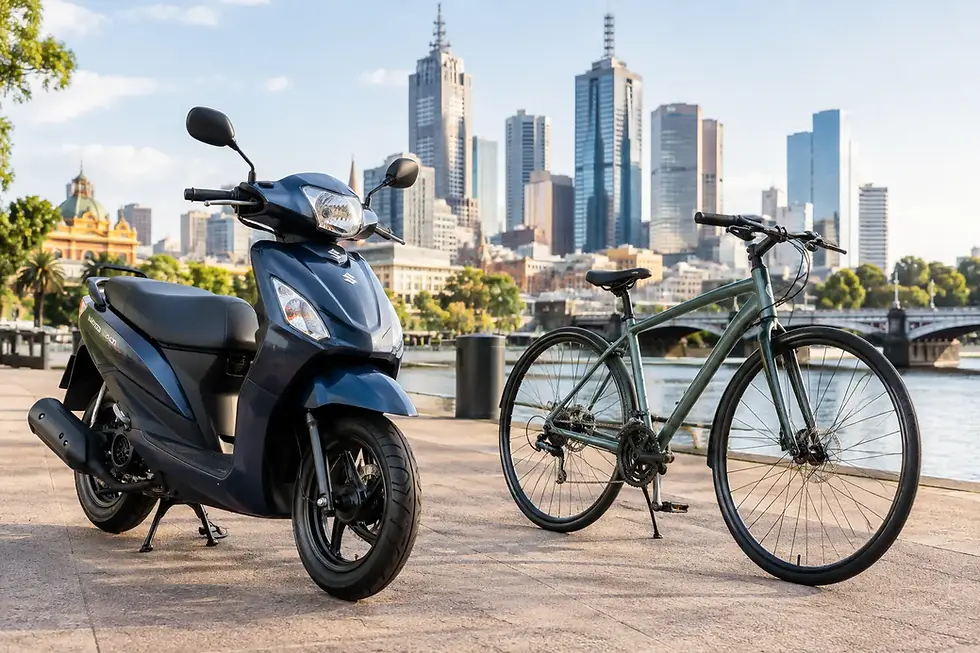
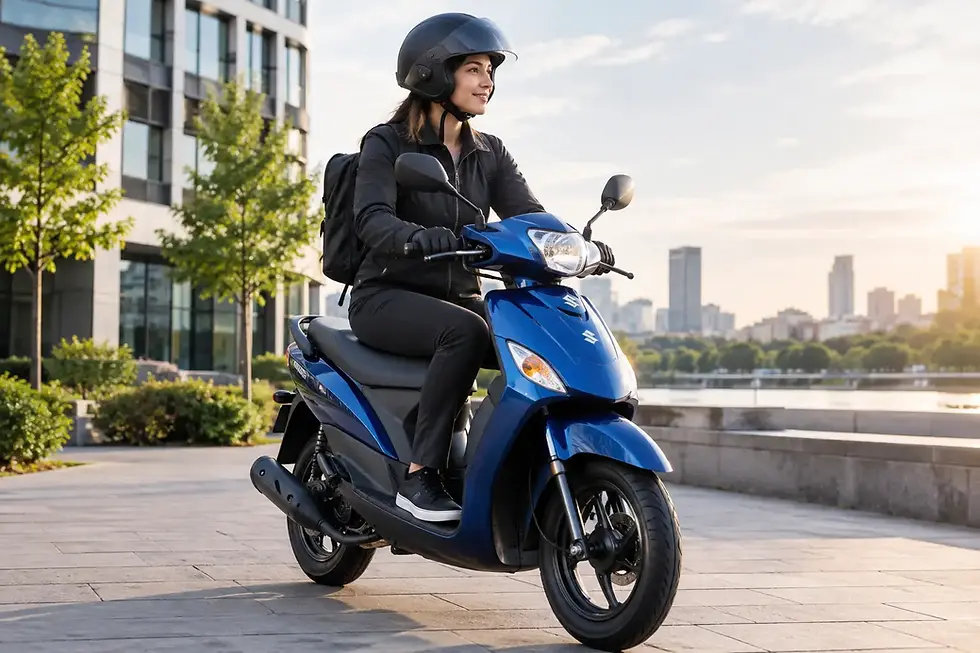
If your work is mostly suburban or inner-city food delivery, a small scooter is hard to beat. For many people, it is the best all-round answer. Scooters are cheap to run, easy to park and simple to handle in stop-start traffic. That is exactly what most delivery shifts demand.
A 125cc scooter suits plenty of riders because it balances fuel economy with enough power for urban roads. You are not paying car-level fuel bills, and you are not wrestling with a large bike every time you need to pull in outside an apartment block or restaurant.
Scooters also make frequent stops easier. The step-through design is practical when you are hopping on and off all day, and automatic transmission takes one more task off your plate. If your goal is straightforward income with low fuss, this category deserves to be at the top of the list.
2. 150cc to 250cc scooters suit longer and faster routes
Not every delivery rider stays in one small pocket of the city. Some cover larger suburban areas or need to handle faster roads between jobs. That is where a mid-sized scooter starts making more sense.
These scooters usually give you a bit more acceleration and better comfort over longer distances, without losing the basic advantages that make scooters so practical. You still get easy parking, decent fuel economy and a ride style that suits regular stop-start work. The trade-off is slightly higher fuel use and a bit more weight, but many riders find that worth it if they regularly travel further.
If your shifts take you between busier arterial roads and suburban delivery zones, this can be the sweet spot.
3. Lightweight motorbikes work for riders who want more flexibility
Some riders prefer a manual bike, especially if they need more control, more road presence or a bit more versatility beyond delivery work. A lightweight motorbike can be a solid option if your routes are mixed and you are confident riding one for long periods.
Compared with scooters, small motorbikes can handle a wider range of road conditions a little better. They can also feel more stable at higher speeds. But there is a clear trade-off. Manual gears can become tiring when your shift involves constant stops, and the riding position is not always as practical for jumping on and off repeatedly.
For riders who split their time between commuting and delivery, a lightweight motorbike can make sense. For pure food delivery in dense areas, scooters usually stay ahead on convenience.
4. Electric scooters can work, but only in the right setup
Electric options attract plenty of attention because they promise low running costs and less time spent at the bowser. On paper, that sounds ideal for delivery riders. In practice, it depends heavily on your route, charging access and how many kilometres you do in a shift.
If you are riding short, local routes and have reliable charging at home or work, an electric scooter can be a low-cost option day to day. The ride is quiet, and the fuel savings are real. But range anxiety is not much fun when you are midway through a busy dinner period.
That is the catch. Electric scooters can be excellent in the right conditions, but they are less forgiving if your shift runs long or your delivery area spreads out. For riders who need maximum flexibility, petrol scooters are still often the more practical choice.
5. Cars are usually the expensive option for delivery riders
It is tempting to think a small car gives you more protection from the weather and more carrying capacity. It does, but that does not automatically make it a good delivery vehicle.
Cars are more expensive to fuel, harder to park and slower to work with in dense urban areas. Even a compact hatch can become a hassle if every second delivery means hunting for a legal space or walking half a block with food in hand. Add registration, servicing, tyres and insurance, and your cost base climbs quickly.
There are situations where a car makes sense, such as larger grocery runs or deliveries in poor weather over longer distances. But for standard meal delivery, cars usually lose on cost and efficiency. If your income depends on quick turnarounds, that matters.
6. E-bikes and bicycles suit very tight local zones
For very short-distance delivery in dense inner suburbs, e-bikes and bicycles can work well. They are cheap to run and easy to park, and they can cut through areas where traffic slows everyone else down.
The limits show up quickly, though. Weather, rider fatigue, carrying capacity and route length all matter. If your area includes hills, long distances or repeated larger orders, the physical workload can drag down your earnings. What looks cheap at the start can become hard to sustain over full shifts.
For a narrow operating zone, they can be useful. For broader, repeatable delivery work, most riders need something with more range and less physical strain.
7. Rental scooters are often the lowest-risk way to start
This is the option many new riders overlook. If you are still figuring out what the best vehicles for delivery riders really look like for your own situation, renting can save you from making an expensive mistake.
Buying sounds appealing until you add everything up. Upfront purchase costs, registration, servicing, breakdowns and insurance can hit hard, especially if you are just starting out or your delivery income is still inconsistent. A rental setup can take a lot of that pressure away.
That is why flexible scooter rental makes sense for gig workers and restaurant operators who need a working vehicle now, not after weeks of comparing classifieds and chasing repairs. In Melbourne and Geelong, plenty of riders want something simple: a road-ready scooter with registration, maintenance support, helmet provision and help if something goes wrong. That setup keeps you focused on earning, not on workshop bills.
How to choose the right vehicle for your delivery work
The best choice depends on where and how you work. If you are doing short food delivery runs in busy suburbs, a small or mid-sized scooter is usually the most practical answer. It keeps costs low, makes parking easy and suits repeated stops.
If your routes are longer or include faster roads, step up slightly in size rather than jumping straight to a car. If you only work occasionally, renting may be smarter than owning. If you are full-time and want a path to long-term value, a rent-to-own arrangement can make more sense than buying outright with all the risk on day one.
Think weekly, not just upfront. A vehicle that saves you ten minutes per shift and cuts fuel use can make a bigger difference than one that simply has a lower sticker price.
The best delivery vehicle is the one that keeps you moving
Delivery work is simple in theory. Pick up, drop off, repeat. But your vehicle changes how profitable that cycle becomes. The easier it is to ride, park, fuel and maintain, the easier it is to keep earning without burning cash or energy.
For most riders, scooters stay on top because they are easy to park, cheap to run and built for exactly this kind of urban work. If you are choosing your next move, keep it practical. The best vehicle is not the flashiest one - it is the one that helps you say yes to the next shift with confidence.

Comments