


Restaurant Fleet Efficiency That Cuts Delivery Delays

A Friday dinner rush does not fall apart because one order is five minutes late. It falls apart when that delay becomes three late orders, cold chips, frustrated riders and mobiles ringing at the counter. Restaurant fleet efficiency is about preventing that pile-up with delivery vehicles, systems and support that keep orders moving when demand spikes.
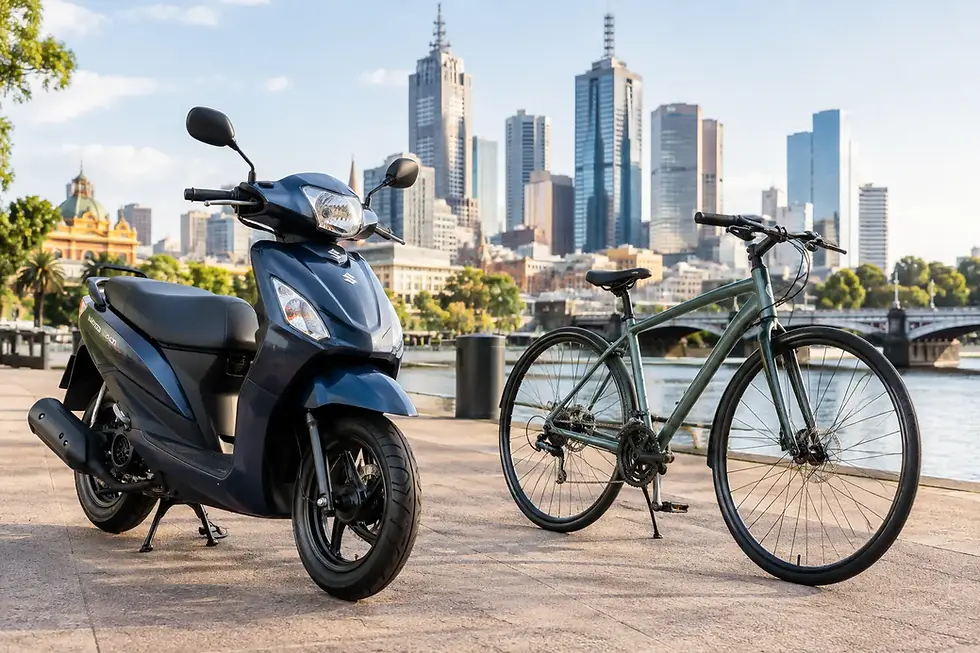
For many Melbourne restaurants, scooters and motorbikes make more sense than relying on cars for local delivery runs. They are cheaper to run, easier to park near busy strips and quicker through stop-start traffic. But a fleet only saves money when it is set up around your actual delivery area, order volume and team.
Start with the delivery area, not the vehicle
The right fleet begins with a simple question: how far are your drivers travelling for a typical order? A scooter can be a smart choice for short, frequent trips around dense suburbs, where finding a car park can waste more time than the ride itself. Lower fuel use and easier parking can help your operation get more deliveries completed per shift.
Longer routes, steep terrain, oversized catering orders or large family meal packs may call for a motorbike with more power and carrying capacity. The answer is not always more vehicles. A smaller fleet matched properly to the delivery zone can outperform a larger fleet that is expensive, underused or hard for staff to manage.
Look at your last few weeks of deliveries. Note the average distance, busiest hours, number of orders per hour and the orders that regularly create problems. If most trips are within a few kilometres and your drivers are battling traffic around restaurant precincts, a nimble two-wheel fleet is likely to improve turnaround times. If your delivery radius is broad, consider setting clear zone limits or using different vehicles for different routes.
Restaurant fleet efficiency comes from fewer idle minutes
Fuel costs matter, but idle time is often the bigger leak. A driver waiting for keys, hunting for a vehicle, topping up fuel during the rush or dealing with a flat battery is not delivering food. Those small interruptions turn into lost capacity across a night.
Give every vehicle a clear home base. It might be a designated rear parking space, a secure side access area or a nearby approved spot. Drivers should know where to collect the vehicle, where to return it and where helmets, insulated bags and mobile holders are kept. This sounds basic, but it removes the frantic searching that happens when orders are already waiting.
A simple handover routine also helps. At the start of a shift, the rider checks the fuel level, tyres, lights, brakes, mobile mount and delivery bag. At the end, they report damage, warning lights or handling issues straight away. Do not leave these checks until the next driver discovers a problem halfway through service.
For a team with several riders, keep a visible record of who has each vehicle and when it is due back. This can be a straightforward shift sheet rather than complicated software. The goal is accountability without slowing down the kitchen.
Match vehicle numbers to your real peaks
Restaurants often make one of two mistakes. They either keep too few vehicles and ask staff to wait during the busiest 90 minutes, or they pay for more vehicles than they can keep busy across the week. The best number sits somewhere between those extremes.
Start by measuring how many deliveries you need to complete during your peak hour. Then estimate a realistic round-trip time, including food packing, rider dispatch, traffic, building access and return time. A short suburban trip may be quick on the road but slow at an apartment block with difficult parking or no clear customer instructions.
If each rider can reliably complete two or three deliveries an hour during peak service, you can work backwards to estimate the fleet required. Build in some breathing room for late orders and unexpected demand, but avoid paying for capacity based on your biggest night of the year.
Flexible rentals are useful here. A restaurant testing its own delivery operation, adding a new suburb or preparing for a seasonal rush may not need to buy vehicles outright. Renting lets you add capacity without the large upfront cost, then adjust as your order patterns become clearer. Rent-to-own may suit an established operation that wants a path towards ownership while keeping early costs manageable.
Keep riders moving safely and confidently
Fast delivery should never mean rushed riding. A crash, fine or damaged vehicle can cost far more than a delayed order. Restaurant owners need riders who understand both road safety and food handling, especially when they are new to scooter or motorbike delivery work.
Set realistic delivery promises. A short estimated time may win an order, but it puts pressure on riders if the kitchen is running behind or the weather turns. Give customers an accurate window, and make sure drivers can flag access problems without needing to call the restaurant repeatedly.
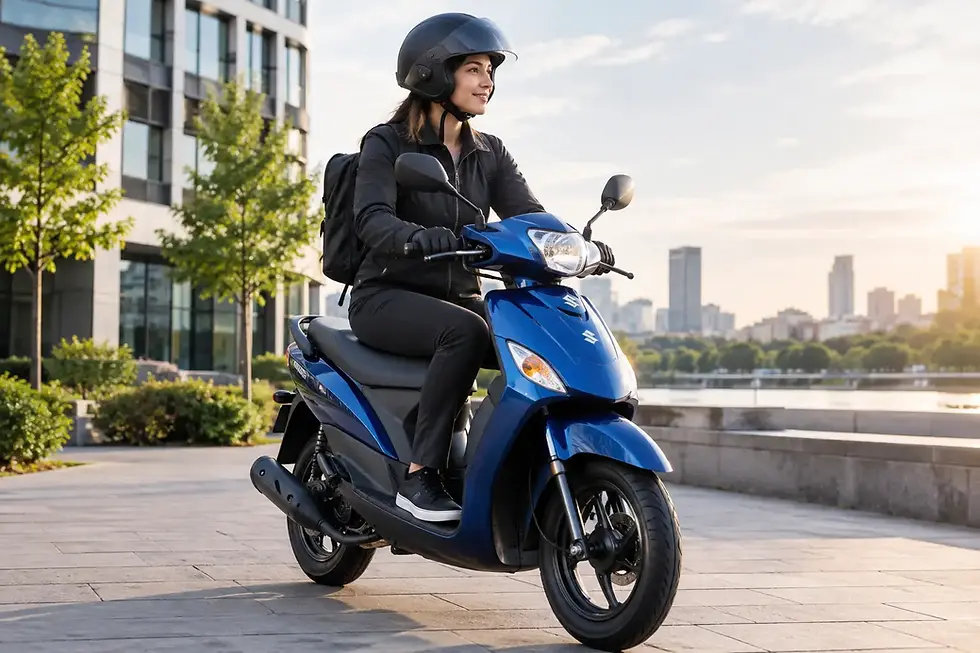
Good equipment supports safer, quicker work. A properly fitted helmet, secure mobile holder and suitable insulated delivery bag are practical essentials. Food needs to arrive upright and at the right temperature, while the rider needs navigation visible without holding a mobile. Check that bags suit your menu too. Pizza, drinks, soups and stacked meal containers all need different levels of stability.
It also pays to agree on a clear communication process. If an order is not ready, tell the rider before they arrive at the counter. If a customer cannot be reached, riders should know how long to wait and who to contact. Clear decisions stop one difficult order from taking a driver out of circulation for half an hour.
Treat maintenance as part of the roster
A vehicle that is cheap to hire or buy can become expensive when it is off the road. Tyres, brakes, oil, batteries and lights all take a beating in delivery work, particularly with repeated short trips, heavy loads and wet-weather riding.
This is where bundled support can protect your operation. Maintenance, registration, CTP insurance, roadside assistance and emergency support reduce the admin your restaurant has to carry. Instead of chasing separate providers when a vehicle has an issue, you have a clearer path to getting it assessed and back on the road.
Skootify Australia offers restaurant-focused scooter and motorbike rental solutions with maintenance and support included, which can be a practical option for operators who want vehicles without adding another major management job to the week.
Even with support in place, create a reporting culture. Riders should feel comfortable reporting a soft tyre, unusual noise or brake issue immediately. Ignoring a minor problem to keep a vehicle on the road for one more shift is rarely worth it. Early action is usually cheaper and keeps service more reliable.
Use simple numbers to find the leaks
You do not need a complicated fleet dashboard to make better decisions. Track a few numbers every week: deliveries completed per vehicle, average delivery time, fuel spend, vehicle downtime and customer complaints linked to delivery. Compare the figures by day and time slot, rather than looking only at a monthly total.
If delivery times climb every Friday, the problem could be too few riders, a kitchen bottleneck or an unrealistic delivery radius. If one vehicle uses far more fuel than the others, it may need servicing or may be assigned to longer runs. If drivers spend too long waiting, adjust dispatch timing so meals are packed and ready before the rider leaves.
Also consider the cost of missed opportunities. A delivery vehicle sitting unavailable during peak service can mean orders you cannot accept, customers you cannot retain and staff who are stretched too thin. Efficient fleets are not only about cutting costs. They help restaurants serve more people without creating chaos behind the counter.
Build a fleet that can change with your restaurant
Your delivery needs will not stay fixed. A new menu, a popular promotion, a change in trading hours or growth into nearby suburbs can quickly change the pressure on your riders. Review your delivery setup every few months, particularly after major changes in order volume.
Keep the focus on the basics: suitable vehicles, quick dispatch, safe riders, dependable maintenance and a fleet size that fits the work. When those pieces are working together, delivery becomes less of a daily scramble and more of a reliable part of your restaurant service. That gives your team more time to focus on the food customers came for.

Comments