


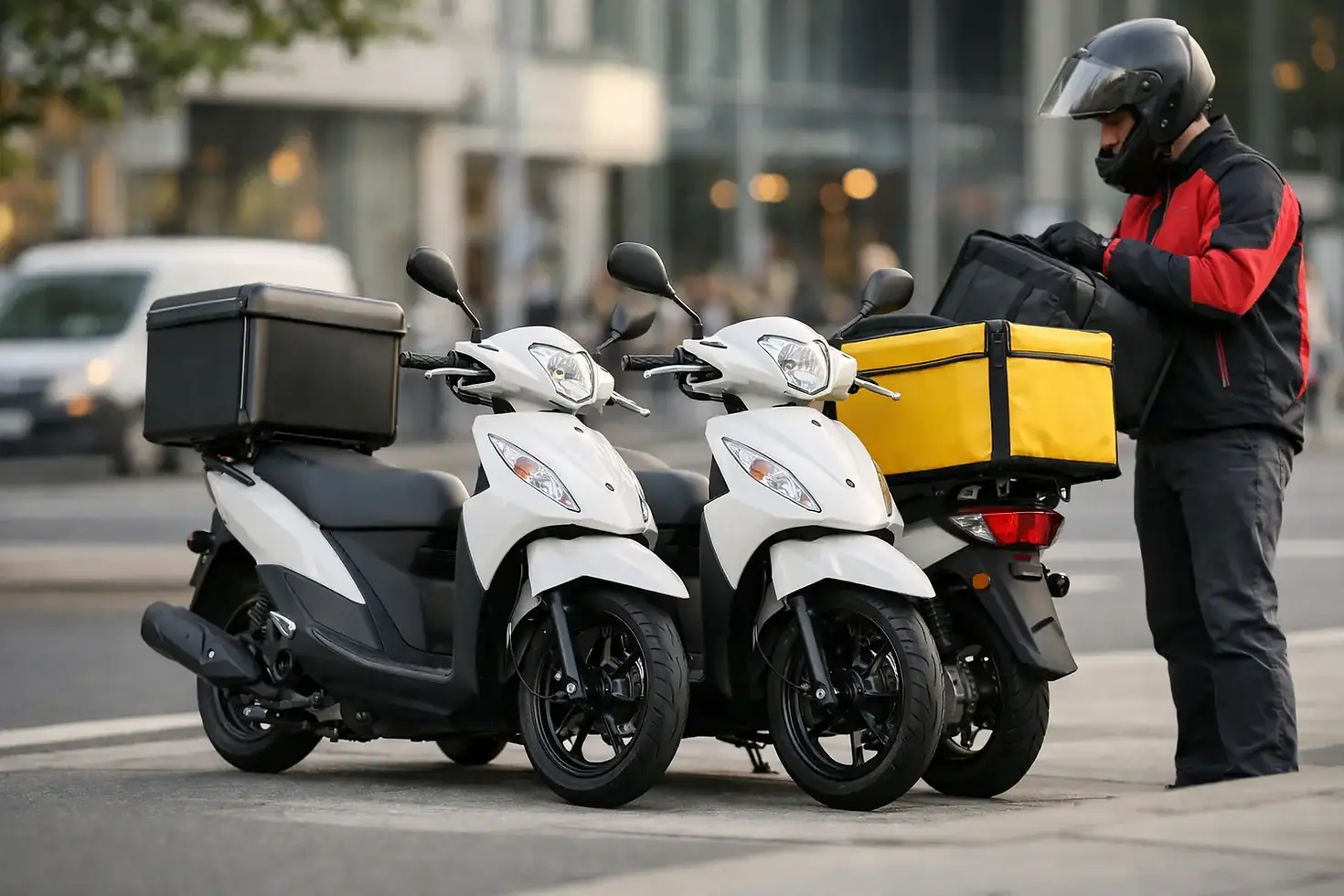
How Delivery Scooter Hire Works in Practice

The dinner rush does not wait for anyone. If you are trying to start food delivery work, replace an unreliable bike, or get extra riders moving for your restaurant, speed matters. That is exactly why people ask how delivery scooter hire works - they want a simple way to get on the road without buying a scooter outright, sorting rego, or chasing repairs when something goes wrong.
How delivery scooter hire works for riders and businesses
At its core, delivery scooter hire is straightforward. You rent a scooter for a set period, use it for delivery work, and pay a weekly or agreed rental amount instead of wearing the upfront cost of buying a vehicle. The point is convenience. You get transport that is ready for work, while the hire provider handles the parts of ownership that usually slow people down.
For most riders, that means the scooter comes with the essentials already sorted. Rego is typically included. CTP insurance is usually part of the package. Maintenance is handled through the provider, and if there is a mechanical issue, roadside help or support is often available. Many hire setups also include practical extras like a helmet and phone holder, which matter more than people think when you are navigating orders all day.
For restaurants and other delivery-based operators, the model works a little differently but the same logic applies. Instead of buying and maintaining a small fleet, the business hires scooters as needed. That can be one scooter for a local takeaway or several for a busier operation. It keeps costs more predictable and makes it easier to scale up during busy periods.
What you are actually paying for
A lot of people compare hire pricing to the sticker price of a second-hand scooter and assume buying is automatically cheaper. Sometimes it is. But not always.
When you hire, you are not just paying for the scooter itself. You are paying for access to a ready-to-work vehicle plus support. That can include registration, CTP insurance, servicing, maintenance, breakdown assistance, and emergency help. If you have ever had a vehicle off the road in the middle of a busy week, you already know the value of that.
The real comparison is not hire versus purchase price. It is hire versus the full cost of owning, running, maintaining, and repairing a scooter while relying on it for income. If you are only planning to do delivery work short term, or you need to start earning now, hire often makes more sense than tying up cash in a purchase.
That said, if you know you will be riding for years and you are comfortable managing repairs and admin yourself, ownership may work out cheaper over time. It depends on your budget, your schedule, and how much hassle you are willing to take on.
The usual process from booking to first delivery
Most delivery scooter hire setups follow the same basic path. You enquire, confirm availability, choose a hire term, provide your licence and ID, and complete the booking. Once approved, the scooter is prepared and either collected or delivered to you, depending on the provider.
This is where a service-focused operator makes a big difference. If the scooter can be brought to your home, workplace, or restaurant, you save time straight away. For riders in busy parts of Melbourne or Geelong, that is not a small thing. You are not wasting half a day trying to organise transport just to get your transport.
Before you ride off, there is usually a quick handover. You will be shown the basics of the scooter, any included gear, and what to do if you need support. If you are new to scooters, ask questions. A good hire provider should make the setup clear and practical, not loaded with jargon.
Once that is done, you are ready to work. That speed is one of the biggest reasons delivery riders choose hire. You can move from enquiry to earning far faster than if you are shopping around for a scooter, organising paperwork, and trying to figure everything out yourself.
Who delivery scooter hire suits best
Delivery scooter hire is a strong option for a few different groups.
Gig economy riders often use it because they want low upfront costs and fast access to a vehicle. Students and international residents like it for similar reasons. If you are settling in, managing a budget, or not ready to commit to ownership, hiring removes a lot of friction.
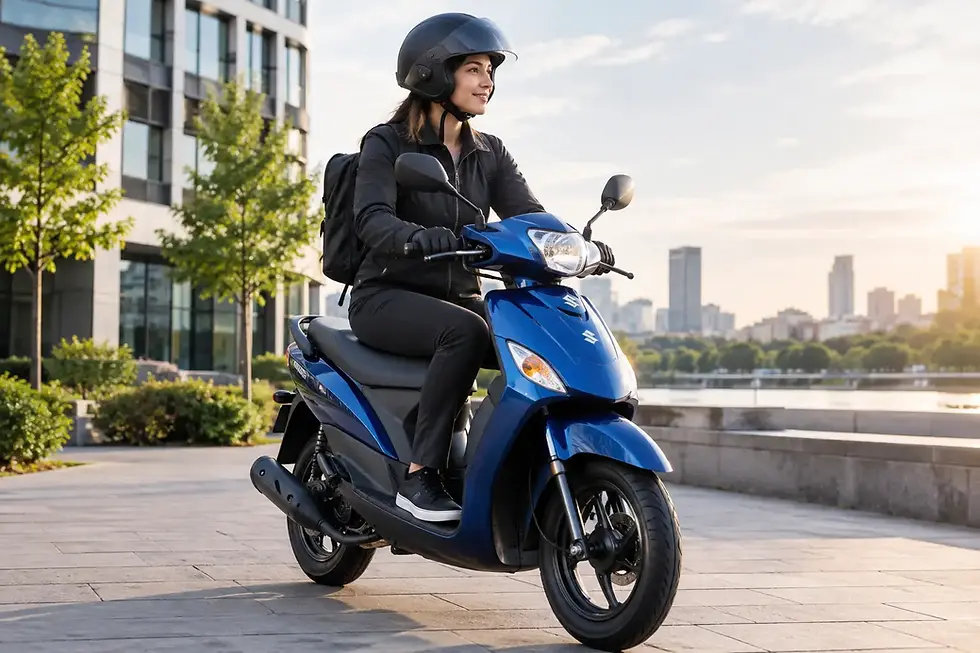
It also suits commuters who want to add delivery work outside normal hours. A scooter is cheap to run, easy to park, and usually a lot less painful in city traffic than a car. If you are trying to make extra money in the evenings, the numbers can stack up quickly when fuel use stays low.
Restaurants can benefit too. Hiring gives operators flexibility. You can cover staff shortages, add vehicles during peak periods, or test whether in-house delivery makes sense before buying anything. That is especially useful for smaller businesses that need practical solutions, not big capital expenses.
What to check before you hire
Not all scooter hire offers are equal, and the cheapest weekly figure is not always the best deal. The detail matters.
Check what is included in the price. Ask whether registration and CTP insurance are covered. Confirm who pays for servicing and standard maintenance. Find out what happens if the scooter breaks down and whether roadside assistance is available. You should also ask about excess charges, damage terms, and any limits around how the scooter can be used.
Another key point is support. If your scooter is part of how you earn money, you need to know what happens when something goes wrong on a Saturday night, not just on a Tuesday morning. A provider with real emergency support is worth more than one with a cheap rate and slow responses.
It is also smart to ask about the scooter itself. For delivery work, you want something fuel efficient, easy to handle, and practical for stop-start riding. Fancy features matter a lot less than reliability, comfort, and being able to get through a shift without drama.
How costs compare with cars and public transport
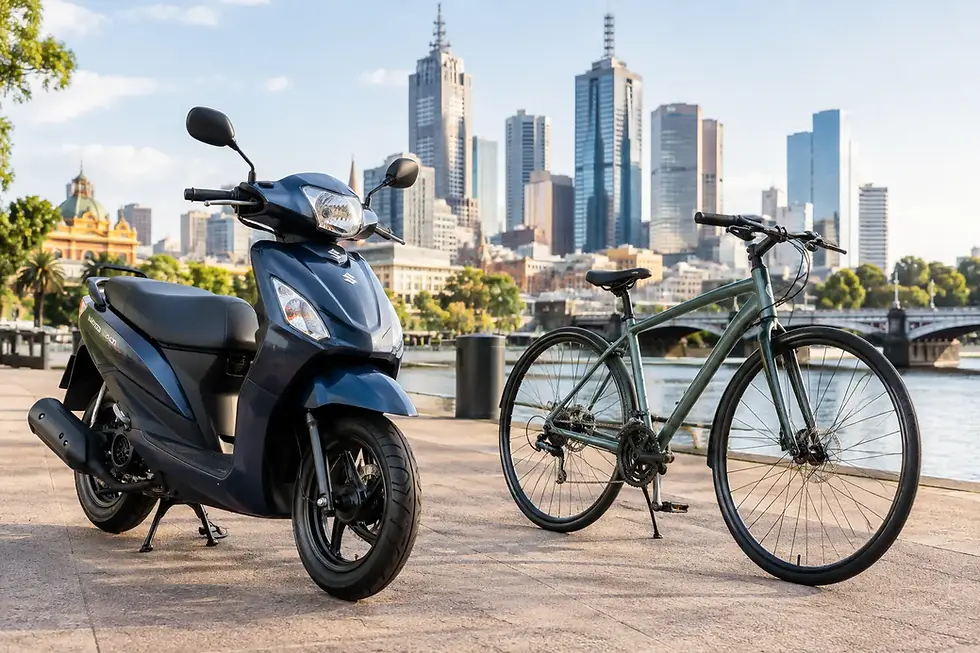
For delivery work, scooters hit a sweet spot. They are cheaper to run than cars, easier to park, and generally more efficient for short urban trips. Fuel costs are one of the big wins. When you are doing repeated local runs, that lower consumption really helps.
Compared with public transport, a scooter gives you flexibility that trams and trains simply cannot. You are not working around timetables, and you are not carrying delivery bags across platforms hoping the next service turns up on time. For personal commuting, that matters. For paid delivery work, it matters even more.
Cars still have their place, especially if you need more storage or you are travelling longer distances in poor weather. But for metro delivery work, a scooter is often the more practical tool. Easy to park. Cheap to run. Quick through traffic. That is why demand stays strong.
A closer look at short-term, long-term, and rent-to-own
One of the best parts of this model is flexibility. Short-term hire works well if you need a fast solution, want to test delivery work, or only need a scooter for a defined period. Long-term hire suits riders who want stability without buying. It spreads costs out and keeps support bundled into one arrangement.
Then there is rent-to-own. This can be a smart middle ground for people who want mobility now but also want a pathway to ownership later. Instead of making a full purchase upfront, you work towards owning the scooter over time. That will not suit everyone, but for riders building income and trying to avoid a big initial spend, it can be a practical step.
If you are unsure which option fits, think about your time frame. If your plan is flexible or uncertain, hire keeps your options open. If you are committed and want an asset at the end, a rent-to-own structure may be worth a proper look.
Why convenience matters more than people expect
The biggest selling point is not just the scooter. It is everything you do not have to deal with.
You are not stuck comparing rego dates, hunting for a mechanic, or worrying about what happens if the scooter needs attention midweek. For a restaurant, you are not pulling staff away from operations to manage vehicle issues. For a rider, you are not losing income because your transport is off the road and nobody is answering the phone.
That is why service-based scooter hire works so well. The best setups are built around keeping people moving. In practical terms, that means fast booking, clear inclusions, delivered vehicles, maintenance support, and help when things go sideways. One provider in Victoria doing this well is Skootify Australia, which focuses on getting scooters to customers quickly and keeping the hassle low once they are on the road.
If you are deciding whether to hire, keep it simple. Look at your upfront budget, how fast you need to start, and how much risk and maintenance you want to carry yourself. For plenty of riders and restaurant operators, delivery scooter hire is not just a transport option. It is the fastest way to start working without taking on the full burden of ownership.

Comments