


Easy Parking City Transport That Works

Try finding a car park in South Melbourne at lunch, or near a busy strip in St Kilda after work, and the problem becomes obvious fast. Easy parking city transport is not just a nice extra anymore - for plenty of riders, it is the difference between getting on with the day and wasting time, fuel and money circling the block.
That is why scooters and small motorbikes make so much sense for urban travel. They are cheap to run, quick to move through city streets, and far less painful to park than a car. If your week already includes packed trains, expensive rideshares, parking meters or delivery deadlines, a lighter transport option can take a lot of pressure off.
Why easy parking city transport matters more than people think
Most people compare transport by headline cost. They think about fuel, maybe registration, and sometimes the fare they tap on public transport. What often gets missed is the hidden cost of friction. Time spent hunting for a space. Stress from arriving late. Extra fuel burned in stop-start traffic. The hassle of walking back from a distant car park because the close spots were gone.
In a city, convenience has value. If your transport is easy to park, it changes the whole trip. You can leave home later, stop closer to where you need to be, and spend less mental energy on logistics. For commuters, that means a simpler start and end to the day. For delivery riders and restaurant operators, it can mean more jobs completed with less downtime.
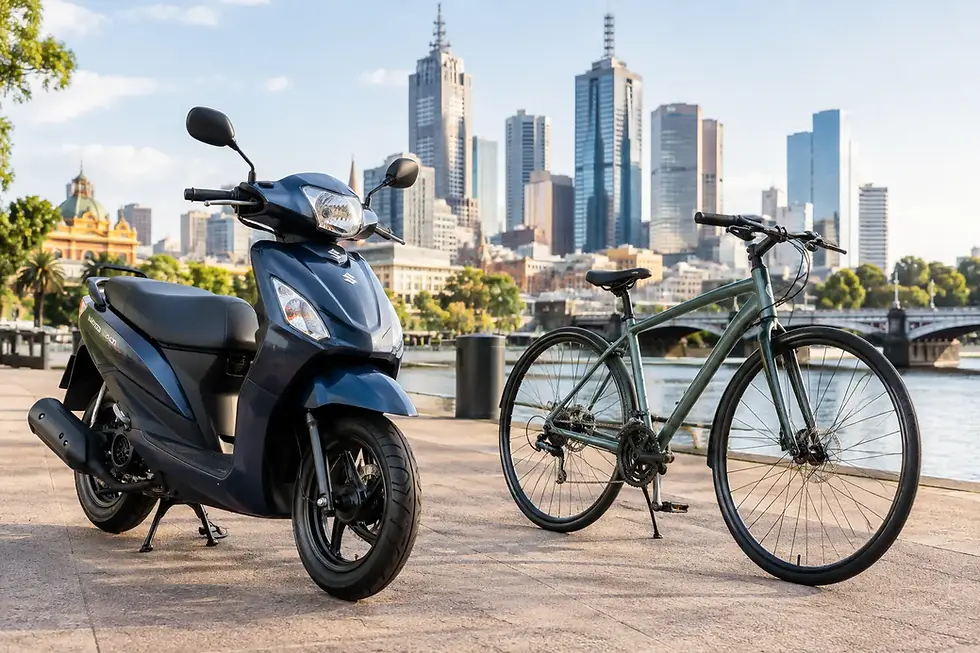
This is where scooters stand out. They are built for exactly the kind of short-to-medium urban movement that eats up time in a car. A small vehicle footprint matters when kerbside space is limited and everybody else is fighting for the same few spots.
The real advantage of scooters in city transport
The appeal is not just that scooters are smaller. It is that they remove several transport headaches at once.
Parking is the obvious one. In busy areas like Hawthorn, Footscray or Box Hill, finding a spot for a car can be the slowest part of the trip. A scooter is simply easier to place. That means fewer laps around the block and less risk of paying premium rates just to leave your vehicle somewhere vaguely nearby.
Then there is running cost. If you are comparing a scooter with a car used mostly for commuting, errands or delivery work, the fuel savings can be significant. That matters more when prices rise, and it matters even more if you are riding every day.
Traffic also feels different on two wheels. No, it does not magically erase congestion, and riders still need to stay switched on. But a scooter is generally more practical for urban movement where streets are tight, stops are frequent and parking is limited.
Public transport still has its place, of course. Trains and trams can work well if your route is direct and your timing lines up. But when your day involves multiple stops, late finishes, bulky gear, or a shift that starts before the timetable becomes useful, relying on public transport can become frustrating fast.
When easy parking city transport is the best fit
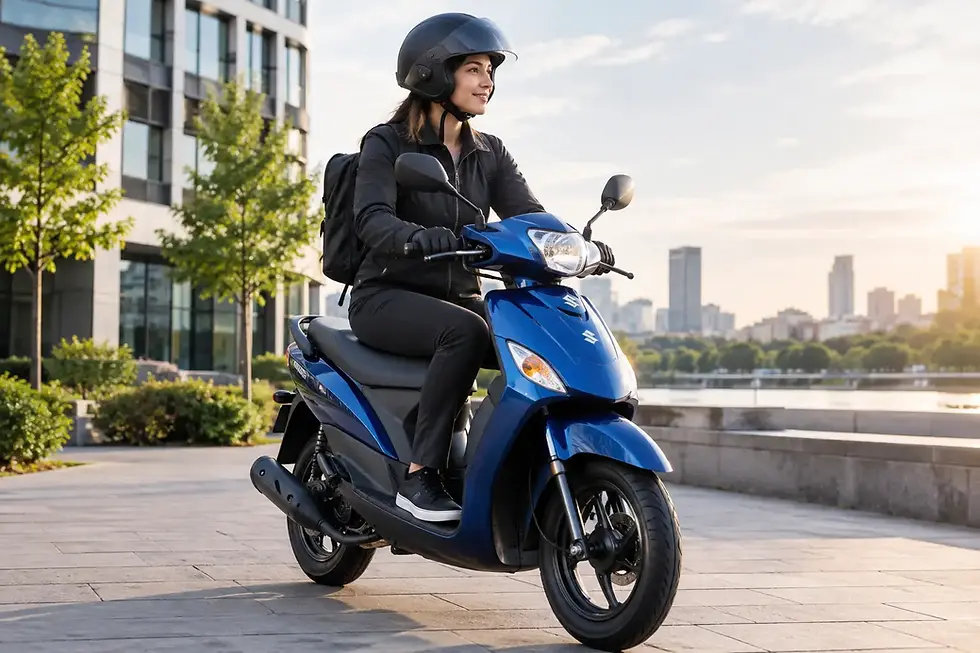
This kind of transport suits people whose biggest pain point is not distance, but efficiency. If you travel across suburbs rather than straight into the CBD and back, flexibility matters. A scooter can be ideal for getting to work, class, appointments or hospitality shifts without building your whole day around parking or platform changes.
Students and international residents often like the lower cost compared with car ownership. You get mobility without the same level of expense and commitment. Gig economy workers and delivery riders usually see the value even faster, because every minute spent parked badly or walking back to a vehicle cuts into earning time.
For some people, it is also a smart in-between option. Maybe a car is too expensive right now. Maybe public transport is unreliable for your roster. Maybe you want something practical now without locking yourself into the long-term burden of buying, insuring and maintaining a car. That is where a scooter can be a strong everyday solution rather than just a backup plan.
It is not one-size-fits-all
There is a trade-off, and it is worth saying plainly. A scooter will not suit every person or every trip.
If you regularly carry several passengers, transport large tools, or drive long distances on freeways every day, a car may still make more sense. Weather is another factor. Melbourne does what Melbourne wants, and riders need to be comfortable planning around rain, wind and changing conditions.
Storage can also be a limitation depending on the bike and your routine. If your daily load is a backpack, laptop, groceries or delivery gear, that is usually manageable. If you need to move half your life around with you, probably not.
That said, many people overestimate these downsides and underestimate the day-to-day convenience. For solo commuting, shift work, suburban errands and delivery runs, the balance often lands heavily in favour of a scooter.
Why renting can make more sense than buying
A lot of people like the idea of a scooter but get stuck on the setup. Buying one means upfront cost, registration, insurance, maintenance, breakdown risk and admin. That is where the simple transport choice can suddenly stop feeling simple.
Renting changes that equation. Instead of having to sort everything yourself, you can get access to a ready-to-ride vehicle with the essentials already handled. For people who need immediate transport, that matters. You are not spending weeks comparing sellers, chasing paperwork or trying to work out repair costs on a used bike that looked good in the photos.
It also gives you flexibility. If you are testing whether scooter commuting fits your lifestyle, renting is a lower-risk way to find out. If you need transport for work right now, it gets you moving sooner. If you are working towards ownership later, a rent-to-own path may be more realistic than a big upfront purchase.
For busy riders, convenience is a major part of the value. Having registration, CTP insurance, maintenance, roadside assistance, a helmet and support included can remove a lot of hassle. That is especially useful if your goal is simple: get to work, make your deliveries, save money and keep life moving.
What to look for in a practical city transport option
If easy parking city transport is your priority, focus on the stuff that affects daily use, not just the sticker price.
First, think about total weekly cost. A cheap vehicle is not really cheap if maintenance, insurance and setup are all extra. Second, look at how quickly you can get on the road. If you need transport urgently, speed matters. Third, consider support. Breakdowns and mechanical issues are never convenient, so having help available can make a big difference.
For delivery riders, reliability matters just as much as price. Lost time is lost income. For commuters, the key question is whether the transport option actually reduces stress or just swaps one type of hassle for another.
That is why service matters. A provider that can deliver the scooter, keep it maintained and help when things go wrong is offering more than a bike. They are offering a smoother routine. For many riders in Melbourne and Geelong, that is the part that turns a good idea into a genuinely useful one.
Skootify Australia fits that practical need well because the offer is built around everyday convenience, not just vehicle hire. When transport is bundled with maintenance, support and simple access, the whole experience becomes easier to manage.
The bigger win is time and headspace
People often start looking at scooters because they want to spend less. Fair enough. But after a few weeks, many realise the bigger benefit is not only cost. It is freedom from small daily frustrations.
Not having to budget extra time for parking. Not having to worry whether the train delay will make you late again. Not having to sink a huge amount of money into owning a car you barely use properly. Those wins add up.
Urban transport should help your day run better. It should not be the most stressful part of it. If a scooter gives you a cheaper trip, an easier park and a faster way to get where you need to go, that is not a minor upgrade. That is a practical shift in how your week feels.
If your current routine is full of parking stress, rising costs and wasted time, the smartest move may be the simplest one - choose transport that actually fits city life.

Comments