


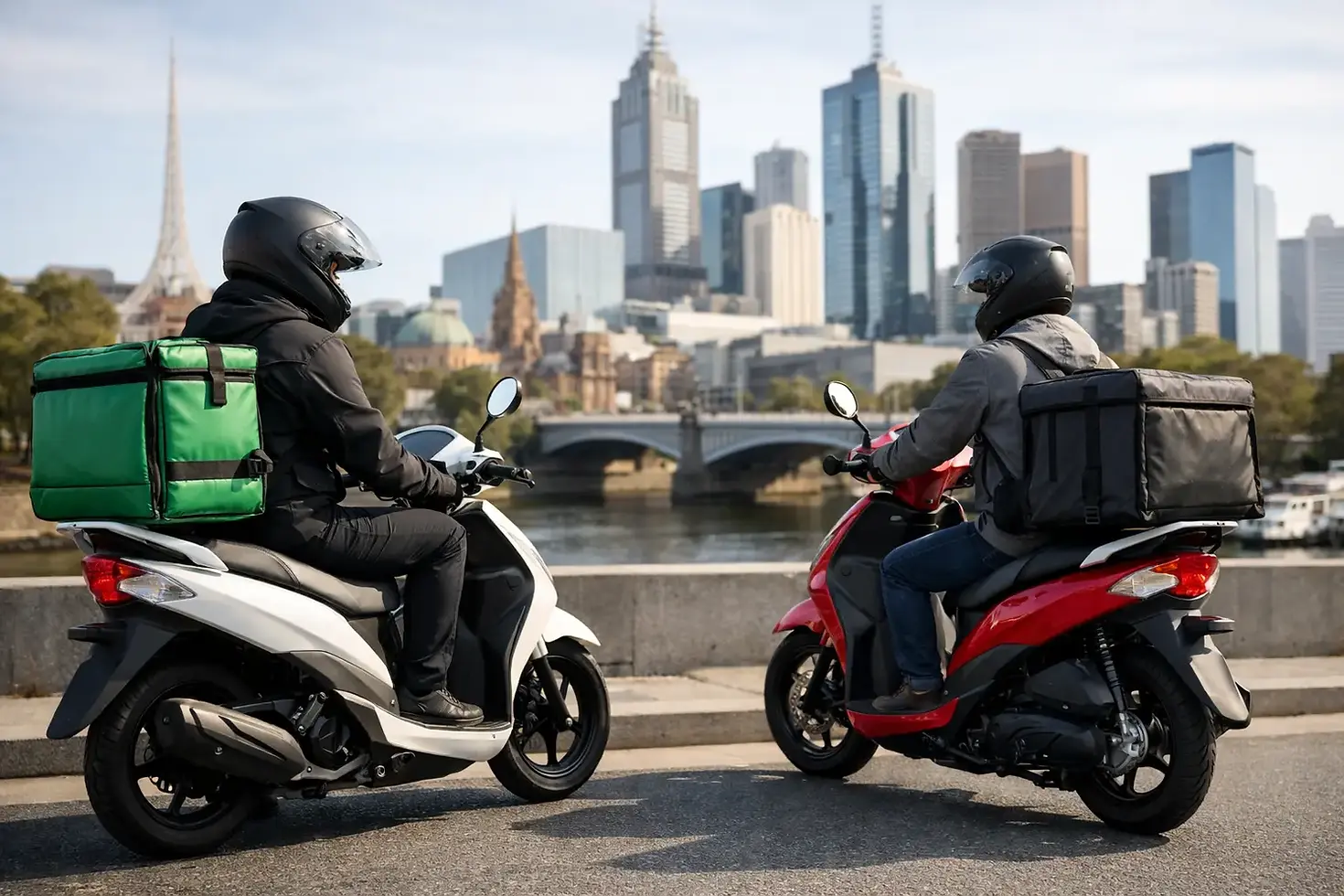
A Guide to Delivery Rider Transport in Melbourne

The difference between a profitable delivery shift and an expensive one is often sitting underneath you. A bike that is hard to park, thirsty on fuel or off the road for repairs can eat into every order. This guide to delivery rider transport breaks down what riders need from a vehicle, what it really costs to operate, and how to choose an option that suits Melbourne’s streets.
Choose transport for the work you actually do
Delivery riding is not the same as a weekend ride. You may be stopping 15 or 20 times in a shift, carrying food through traffic, checking your mobile at pickup points and working in changing weather. Your transport needs to be economical, easy to manage and dependable when you have accepted an order.
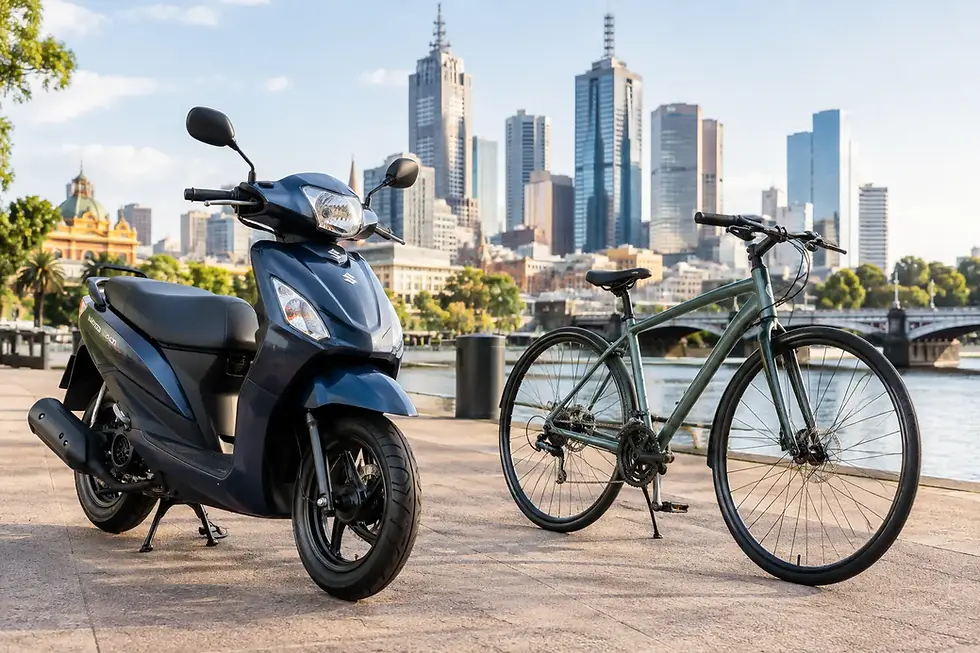
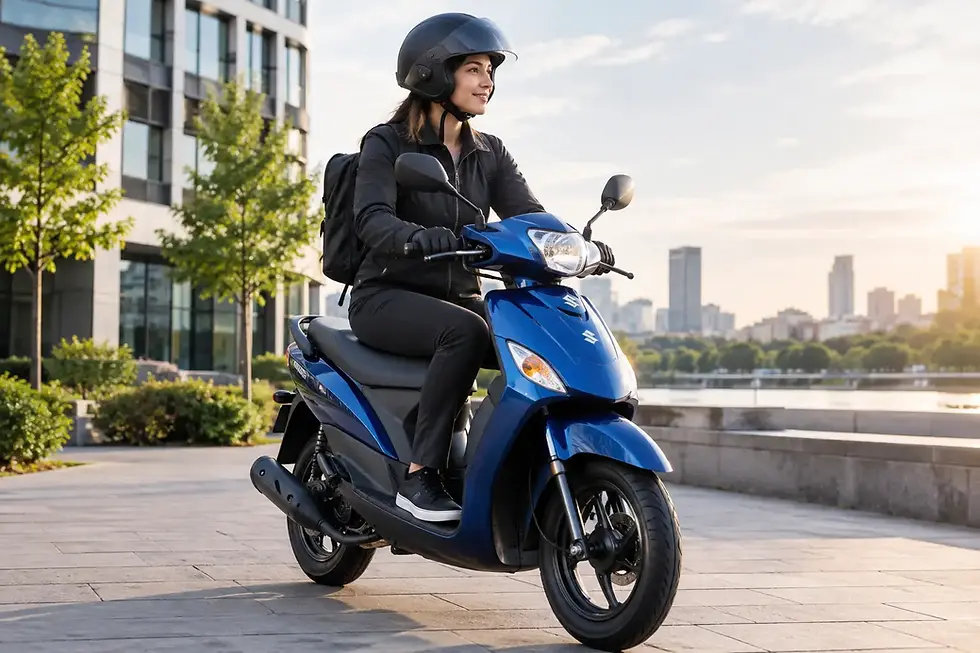
For many riders, a scooter is the practical starting point. It is compact enough for busy restaurant strips, simple to park near apartment blocks and usually far cheaper to fuel than a car. Automatic scooters also remove the constant gear changes that can make stop-start riding tiring over a long shift.
A motorbike can make more sense when you travel longer distances, regularly carry heavier loads or prefer more power on faster roads. The trade-off is usually higher fuel use, a bigger physical footprint and, depending on the model, a little more effort in traffic. Neither is automatically the right answer. Match the vehicle to your delivery zone, the number of hours you work and the type of orders you take.
Think about your delivery radius
Inner-city riders may value tight turning, easy parking and low fuel use above all else. A scooter can be especially handy around places such as South Melbourne, St Kilda, Hawthorn and Footscray, where finding a car space near a busy venue can be frustrating.
If your usual runs stretch between suburbs or involve more open roads, comfort and engine capacity become more relevant. Spend time looking at your actual trip history before deciding. A vehicle that is perfect for short CBD runs may not be the best fit for all-day suburban work.
Start with the full cost, not just the weekly price
Cheap transport should stay cheap after the first week. When comparing delivery rider transport, include fuel, servicing, tyres, registration, insurance, roadside help and the cost of lost income if the vehicle breaks down. A lower rental price can stop looking attractive if every repair or call-out becomes your problem.
That is why an all-inclusive rental arrangement can be easier to budget for, particularly when you are new to delivery work or your weekly income changes. Registration, CTP insurance, routine maintenance and roadside assistance are practical essentials, not extras. They reduce surprise bills and help you get back on the road faster when something goes wrong.
Fuel efficiency matters because it is a cost you feel every shift. Small-capacity scooters generally use far less fuel than cars stuck in city traffic, while their compact size means less time circling for parking. Over a month of regular deliveries, those small savings can add up.
Before you commit, ask what happens if the vehicle needs a repair, whether a helmet and phone holder are included, and how emergency support works outside ordinary business hours. Clear answers are worth more than a vague promise of a bargain.
Set your bike up for fast, safe shifts
A good rider can still lose time with a poor setup. You need to access navigation safely, secure orders properly and stay comfortable enough to concentrate. Start with a secure, legal phone holder positioned so you can glance at directions without taking your eyes off the road for long.
Your delivery bag should be stable, insulated and appropriate for the food you carry. A loose bag affects handling, while poorly packed drinks create a bad customer experience and can cost you through refunds or ratings. Check straps, zips and mounting points before every shift, especially after a wet day.
Wear a properly fitted helmet, enclosed footwear and protective clothing that works for the season. Melbourne weather can turn quickly, so a waterproof outer layer and gloves are not overkill when you are riding for hours. Bright or reflective gear also helps other road users see you during early mornings, evenings and rain.
Keep a simple pre-ride habit. Check tyre condition and pressure, lights, indicators, brakes, fuel level and any obvious leaks. It takes a couple of minutes and may save a cancelled shift. If something feels wrong, do not keep riding just because you want to make the next delivery.
Know the rules before accepting orders
Delivery platforms, licence conditions and vehicle requirements can differ, so check the current rules that apply to your chosen vehicle and work. Make sure you hold the correct licence, understand Victorian road rules and have the right insurance arrangements for delivery use. Personal riding cover does not always mean you are covered while earning an income.
Parking deserves extra attention. A scooter is easier to park than a car, but it does not give you permission to block a footpath, entrance, driveway or pedestrian area. A quick drop-off is still long enough for a fine, a complaint or an unsafe situation.
Riding safely also protects your earning capacity. Do not rush through yellow lights, use your mobile in your hand or squeeze through gaps that do not give you enough room. One crash can cost far more than the few minutes saved on an order. The best riders are usually consistent, not reckless.
Weather changes the job
Rain reduces grip, hides road markings and makes metal covers, tram tracks and painted lines more slippery. Slow down earlier, increase your following distance and brake smoothly. Watch for puddles that may conceal potholes or debris.
Hot days bring a different problem: fatigue and dehydration. Carry water, take short breaks and do not ignore signs that you are losing focus. If conditions become unsafe, it is sensible to pause rather than push through for one more order.
Plan your shift around time, not just distance
The shortest route is not always the quickest delivery route. A kilometre through congested streets, difficult parking and multiple tram stops may take longer than a slightly wider route with a cleaner run to the restaurant. Learn where pickup delays happen and where you can park legally without wasting ten minutes.
Group your work around peak periods where possible. Lunch and dinner can bring the strongest order flow, but they also bring queues at popular venues. Knowing which restaurants are efficient, which apartment buildings have awkward access and which areas are slow at certain times helps you make better decisions during a shift.
Keep your mobile charged, bring a backup cable or power bank, and confirm directions before moving away from a pickup point. Missing a turn is normal. Stopping safely to reset is faster than trying to fix navigation while riding.
Renting can be a practical way to get started
Buying a vehicle outright can tie up cash before you know how regularly you will work. Renting gives many delivery riders a lower-barrier way to start earning, test the routine and choose a vehicle type with confidence. It can also suit international residents, students and anyone who needs transport now without the long-term cost of ownership.
The best rental option is one that removes the hassles that stop you working. Look for flexible terms, clear inclusions, maintenance support and a provider that can help when the vehicle is not where it needs to be. Skootify Australia offers scooter and motorbike rental options built around that practical reality, with support services designed for riders who need to keep moving.
If delivery becomes your regular income, a rent-to-own arrangement may be worth considering. It depends on your finances, how long you expect to ride and whether ownership makes sense for your plans. The point is to choose a path that gives you mobility without creating unnecessary pressure.
A reliable scooter or motorbike will not make every shift easy, but it gives you a better chance of staying on time, keeping costs controlled and getting home without transport stress. Choose the setup that fits your work, look after it properly and let your vehicle support the income you are building.

Comments