


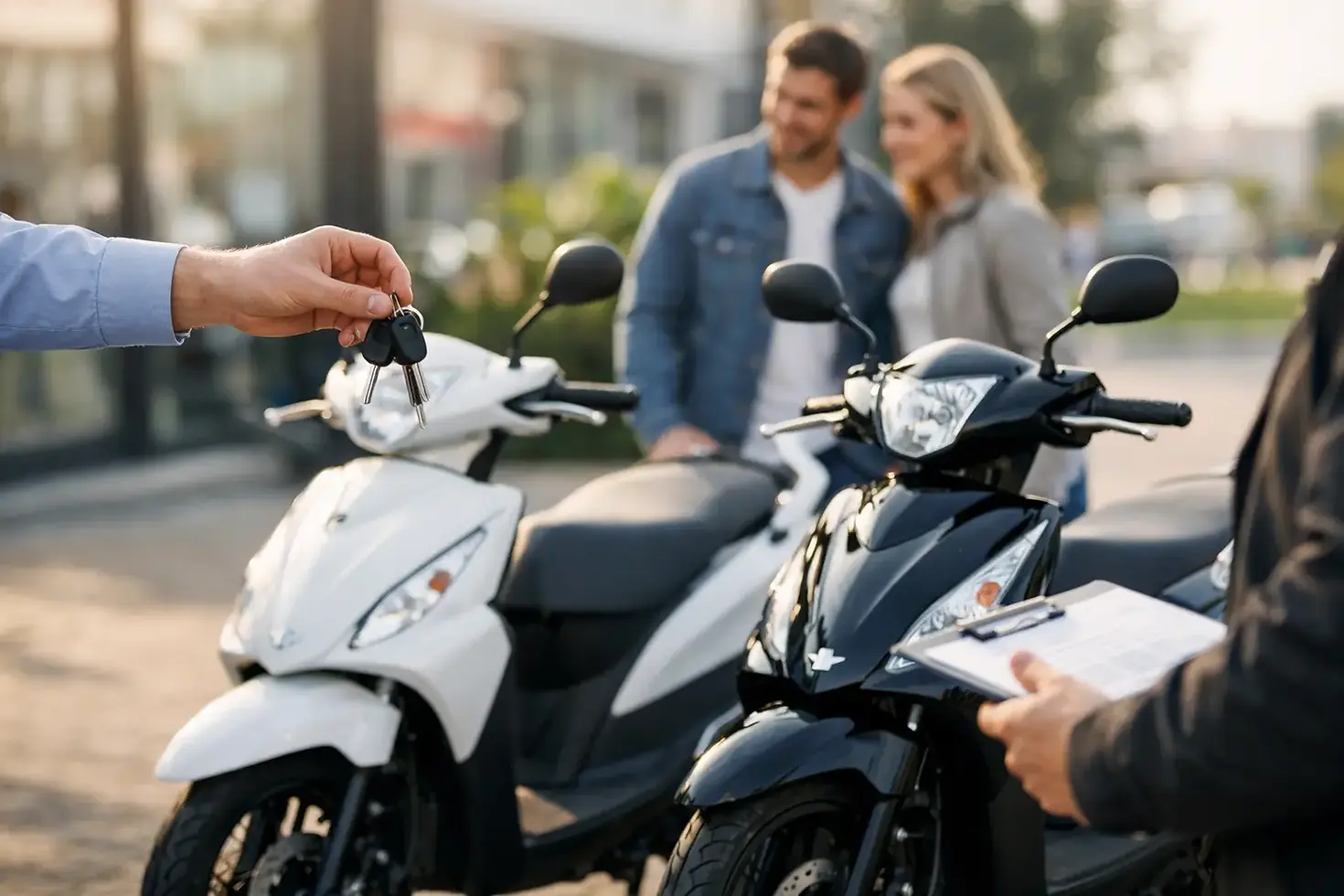
How Rent to Own Motorbike Works
- Skootify Australia
- Jun 14
- 6 min read

Needing a bike now but not loving the idea of a big upfront purchase? That’s usually when people start asking how rent to own motorbike works. It sits in the middle ground between standard renting and outright buying - giving you a bike to use straight away while your payments work toward ownership over time.
For plenty of riders, that makes more sense than waiting months to save a deposit or taking on a traditional finance product that feels rigid from day one. If you need affordable transport for commuting, study, delivery work, or just getting around without relying on packed public transport, rent to own can be a practical way to get moving sooner.
How rent to own motorbike works in simple terms
At its core, rent to own is exactly what it sounds like. You rent the motorbike or scooter for an agreed period, make regular payments, and if you meet the terms of the agreement, you work toward taking ownership at the end.
The main difference from a normal rental is that the arrangement is designed with a pathway to ownership in mind. A standard rental gives you access to the vehicle for a week, a month, or longer, but when the rental ends, you simply hand it back. With rent to own, the goal is usually to keep paying under the agreed plan until the bike becomes yours, or until you reach the stage where you can exercise the ownership option.
That matters if you want a vehicle now but also want your money to count for something more than temporary access.
What you usually pay for
The exact structure can vary between providers, so the details always matter. In most cases, your regular payment covers more than just use of the bike. Depending on the provider, it may also include registration, CTP insurance, servicing, maintenance support, roadside assistance, and some riding essentials.
That bundled setup is a big part of the appeal. If you bought a motorbike outright, you would need to think about rego, insurance, ongoing servicing, repair costs, and the hassle of organising it all yourself. With a rent-to-own arrangement, those moving parts are often handled for you while you are making your payments.
That does not mean every deal is automatically better value. It means you need to look at what is included, not just the weekly figure. A lower payment can look attractive until you realise you are paying separately for things that another provider includes.
Who rent to own suits best
Rent to own is often a strong fit for people who need transport quickly and want to avoid the pain of a large upfront spend. Students, international residents, new workers, and people rebuilding their finances often like the flexibility of starting with a manageable weekly amount instead of trying to buy a bike in one hit.
It also suits delivery riders and gig workers who need a reliable bike to start earning. If the bike helps generate income, the ability to get on the road fast can be more valuable than waiting until you have enough cash to purchase outright.
For commuters in places like Melbourne and Geelong, the appeal is just as simple. Cheap running costs, easier parking, and less transport stress can make a scooter or small motorbike an easy yes, especially if ownership is the longer-term goal.
How the process usually works
Most rent-to-own arrangements follow a straightforward path. First, you choose a suitable bike based on your licence, riding confidence, and what you actually need it for. Someone doing food delivery may want something practical, fuel-efficient, and easy to stop-start all day. A daily commuter might care more about comfort, storage, and low running costs.
Next comes the agreement. This sets out the payment amount, rental period, what is included, your responsibilities as the rider, and what happens at the end of the term. This is the part to read carefully. You want to know whether ownership transfers automatically after all payments are made, whether there is a final payment, and what happens if you want to exit early.
Once approved, the bike is supplied and you start using it like any other vehicle you rely on day to day. The difference is that your regular payments are tied to a path toward owning that bike rather than simply handing it back after a rental period.
The trade-offs people should understand
Rent to own can be a smart option, but it is not magic. Like any transport arrangement, it has trade-offs.
If you compare the total amount paid over time against buying a bike outright with cash on day one, rent to own may cost more overall. That is not unusual. You are paying for access now, spreading the cost, and often getting services included that reduce hassle and surprise expenses.
On the other hand, outright ownership places more pressure on you from the start. You need the money upfront, and you carry the admin and maintenance responsibility. For some riders, that is fine. For others, the convenience of an all-in-one setup is worth the difference.
There is also the question of commitment. Rent to own works best when you expect to use the bike for a decent stretch of time. If your work situation is uncertain or you may leave Victoria soon, a standard rental may suit you better because it gives you more flexibility with less long-term commitment.
Questions to ask before you sign
Before you commit to a rent-to-own agreement, focus on the practical details. Ask what is included in the weekly or monthly payment, whether servicing and maintenance are covered, and what support you get if the bike breaks down.
You should also ask about wear and tear, missed payments, and early exit options. Real life happens. Work can slow down, study schedules can change, and you may decide you need a different bike later on. A good agreement is clear about these situations.
Another smart question is whether the vehicle suits your licence and intended use. There is no point locking into a deal that looks affordable if the bike is not right for daily commuting or delivery runs.
How rent to own motorbike works compared with finance
People often compare rent to own with traditional motorbike finance, but they are not the same thing. Finance usually involves borrowing money to purchase the bike, then repaying that loan under set terms. You may need stronger credit, a deposit, or more paperwork, and you may still need to sort out registration, insurance, and maintenance separately.
Rent to own is generally more focused on access and convenience first. It can be simpler for riders who want a practical all-in-one arrangement rather than a standard lending product. That can make it more approachable for people who do not want the complexity of bank finance or who just want to get on the road without a lot of delays.
Still, it depends on your situation. If you have cash ready for a deposit, strong credit, and you want the lowest possible total cost over time, finance or outright purchase may stack up better. If you value flexibility, bundled support, and lower upfront pressure, rent to own can be the more useful option.
Why bundled support matters more than people think
The biggest cost with transport is not always the sticker price. It is the interruptions. A flat battery, a missed service, rego confusion, or a repair bill at the wrong time can throw your week off quickly.
That is why service inclusions matter. A bike that comes with maintenance support, roadside help, and registration sorted can save you time as much as money. If you are relying on the bike to get to work or earn through deliveries, keeping things simple is not a luxury. It is part of making the whole arrangement worthwhile.
This is where a provider built around convenience can make a real difference. For riders across Melbourne and Geelong, having the bike delivered, supported, and kept road-ready removes a lot of friction from daily travel.
Is rent to own the right move for you?
If you need a motorbike or scooter now, want to spread the cost, and like the idea of working toward ownership instead of starting from scratch, rent to own is worth a close look. It is especially useful when cash flow matters more than having the cheapest theoretical cost on paper.
The key is to be honest about what you need. If you want a low-hassle way to get mobile, keep your upfront costs down, and avoid juggling rego, servicing, and support on your own, this kind of setup can make a lot of sense. If you are chasing maximum flexibility or planning to use a bike only short term, a standard rental may be the cleaner option.
The best transport option is the one that gets you moving without making life harder. If rent to own helps you ride now, manage costs, and build toward owning your own bike, that is a pretty solid place to start.


Comments