


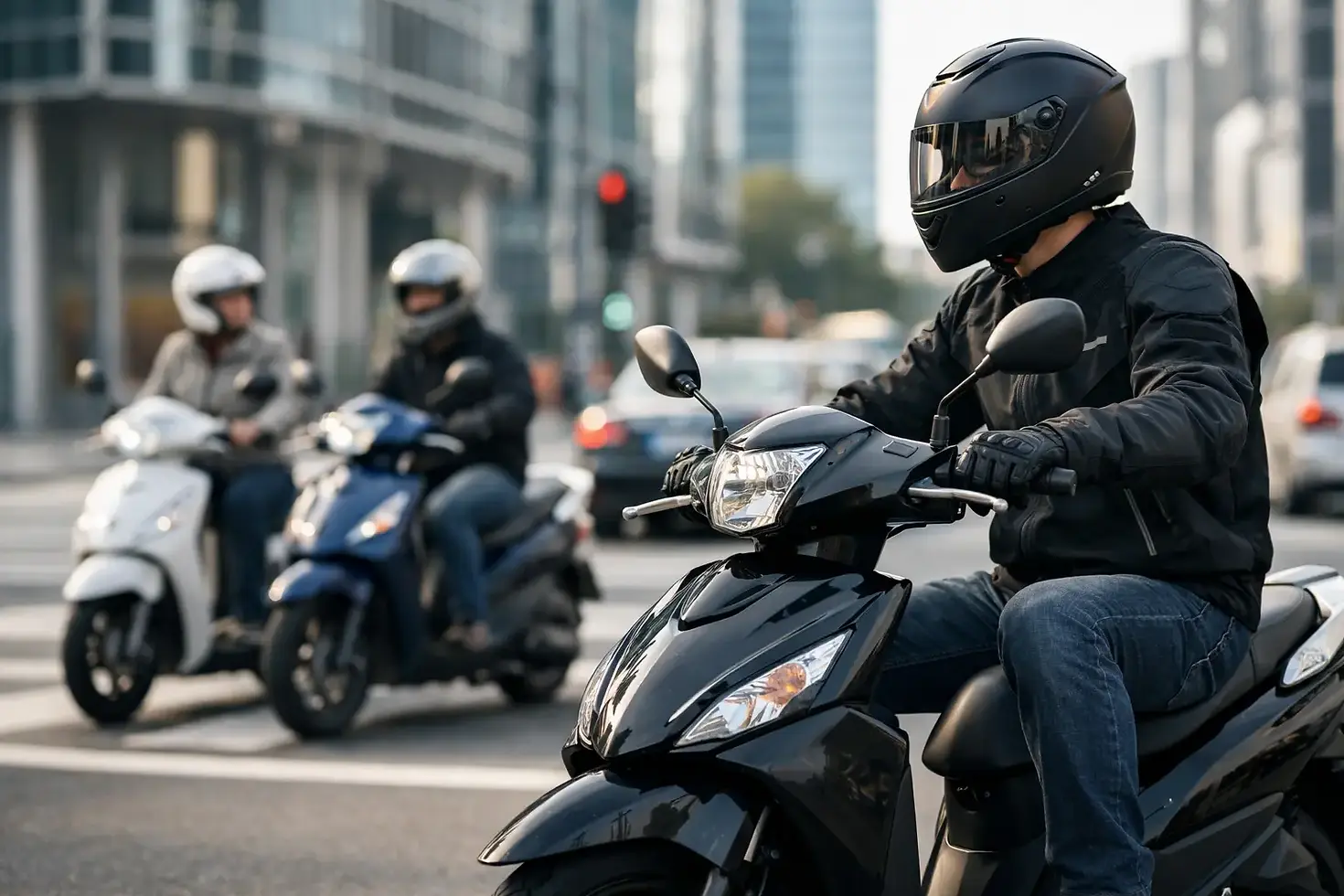
Urban Motorbike Safety Guide for City Riders

A short ride across Melbourne can throw more hazards at you than a long run down the highway. Trams stop without much warning, cars change lanes for a parking spot, delivery vans block your view and wet tram tracks can turn a normal corner into a slippery one. This urban motorbike safety guide is built for the real conditions city riders face every day.
Riding a scooter or motorbike is easy to park, cheap to run and often far quicker than sitting in traffic. But city riding rewards attention, smooth control and a plan for what other road users might do next. The goal is not to ride nervously. It is to stay alert, visible and ready to create space when things get messy.
Start every ride ready
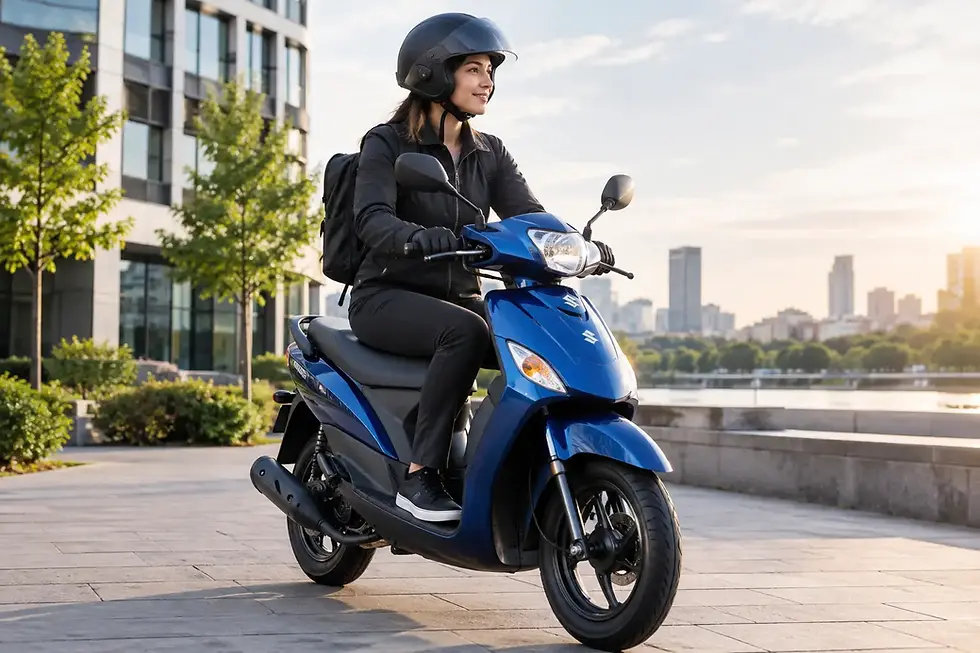
Your safest decision happens before the engine starts. Wear a properly fitted, approved helmet every time, then add gear that protects more than your skin. A motorcycle jacket, gloves, long pants and enclosed shoes give you far better protection from impact, road rash and Melbourne's sudden cold or rain.
Bright gear helps other drivers spot you, especially in low light, but it is not a guarantee. Treat visibility as something you actively manage with your lane position, speed and road placement. If a driver is looking through a windscreen covered in glare or rain, assume they may not see you until you prove otherwise.
Before heading off, take 30 seconds to check tyre condition and pressure, mirrors, indicators, lights and brakes. Look for anything loose around the controls or wheels. On a rental scooter or motorbike, report an issue straight away rather than hoping it will be fine for one trip. Small mechanical problems become big problems quickly in stop-start traffic.
Make sure your mobile is secured in a proper holder if you need navigation. Set your route before you leave and pull over safely if you need to change it. Looking down at a mobile while rolling towards an intersection is a high-risk habit, no matter how slow the traffic appears.
Own your space in traffic
City lanes are shared with drivers who may be distracted, rushed or unfamiliar with motorbikes. Do not ride in a car's blind spot for longer than necessary. If you cannot see the driver's face in their mirror, they probably cannot see you.
Choose a lane position that gives you a clear view ahead and leaves room to move away from trouble. Sitting slightly to one side of the lane can help you see around the vehicle in front and make you more noticeable in mirrors. Avoid hugging parked cars. A suddenly opened door can take away your options in a second.
Keep a sensible buffer from the vehicle ahead. In dry conditions, that space gives you time to brake progressively rather than grabbing at the lever. In rain, at night or on roads with oil, leaves or painted markings, give yourself more room again. The car behind may be impatient, but their schedule is not worth your safety.
At traffic lights, stop where you can move if needed. Watch the mirrors as you come to a halt, particularly if a car is approaching quickly from behind. Leave a gap from the vehicle in front rather than stopping wheel-to-bumper. It gives you an escape path if someone fails to slow down.
Expect turns, doors and sudden stops
Intersections are where city riders need their best concentration. A car waiting to turn may pull across your path because the driver misjudges your speed or simply does not register the motorbike. Slow slightly, cover the brakes and look for clues: wheels starting to turn, a driver's head moving, a gap opening in traffic or a vehicle edging forward.
The same applies near shopping strips, cafés and apartment blocks. Cars can pull out of driveways, passengers can open doors and pedestrians can step off the footpath while looking at their mobiles. Reduce speed around visual clutter. You are buying time to react.
Never rely only on an indicator. Drivers often leave them on after a turn, while some turn without using one at all. Read the vehicle's position and movement, then keep enough space to respond.
Tram tracks, painted lines and wet roads
Melbourne riders need a healthy respect for tram tracks. The metal surface becomes slippery in the wet, and a narrow tyre can catch in the groove if you cross at a shallow angle. Where it is safe to do so, cross tracks as close to 90 degrees as possible. Keep the bike upright, maintain a smooth throttle and avoid sharp braking or sudden steering inputs over the rails.
Painted arrows, pedestrian crossings, drain covers and patches of spilled fuel can also lose grip when wet. The danger is not that you will always slide. It is that grip can change without warning, especially after the first rain following a dry spell when oil rises to the surface.
If rain starts, ease your pace before you reach the next corner. Brake earlier and more gently, increase following distance and make each control input smooth. Sudden acceleration, heavy front braking and sharp leaning are less forgiving on wet urban roads. If visibility is poor enough that you cannot read traffic clearly, stopping somewhere safe for a few minutes is often the smart call.
Night riding needs the same mindset. Headlights, shopfronts and rain on visors can hide potholes and make judging distance harder. Keep your visor clean, use lights correctly and avoid out-riding what you can see ahead.
Brake smoothly, not late
Good braking is less about panic reactions and more about preparation. Scan well ahead, roll off early when traffic compresses and use both brakes progressively. A smooth stop keeps the bike stable and gives riders behind you a clearer signal of what is happening.
Practise emergency braking somewhere legal, quiet and dry. You should know how your scooter or motorbike feels under firm braking before a taxi stops sharply in front of you. If your vehicle has ABS, it can help prevent wheel lock, but it does not create extra grip on wet paint, gravel or tram tracks. Space and speed still matter.
Corners deserve the same patience. Enter at a speed that lets you see through the turn and adjust if needed. Do not rush in just because the road behind is clear. In city streets, the exit might contain a pedestrian crossing, a turning car, loose gravel or a queue you could not see on approach.
Filter carefully and legally
Lane filtering can make urban riding more efficient, but it is not an invitation to squeeze through every gap. Only filter where Victorian road rules allow, and only when traffic is moving slowly enough for you to react. Rules and conditions can change, so check current requirements before making filtering part of your routine.
Even when it is legal, ask whether it is sensible. Avoid narrow gaps beside trucks, buses or vehicles with limited visibility. Watch for people stepping from parked cars, doors opening and cars changing lanes to get around a queue. A few seconds saved is never worth placing yourself between two unpredictable vehicles.
Be especially cautious around large vehicles. Do not sit beside a truck at an intersection or ride through the area the driver cannot see. If it turns, you need to be nowhere near its path. Hang back until you can clearly see what is happening, then pass only when there is enough room and a clear view.
Ride for the job you are doing
Commuting at peak hour and doing delivery work both involve frequent stops, tight streets and pressure to keep moving. That pressure can quietly lead to rushed decisions. Build extra time into your trip, particularly in rain or around busy areas such as South Melbourne, St Kilda and the CBD.
For delivery riders, secure the load properly and keep it balanced. A loose bag or overloaded rear rack affects handling, braking and visibility. Take a break when fatigue starts building. Tired riders miss the clues that normally keep them safe: the car edging out, the pedestrian waiting near the kerb or the shiny patch on the road.
Stay within the conditions of your licence and ride a vehicle you can confidently control. If you are returning to riding after a break, start with quieter routes and daylight trips. Skill comes back with practice, but there is no prize for testing it in peak-hour traffic.
Make safety part of the convenience
The best city ride feels uneventful because you saw problems early and gave yourself room to deal with them. Good gear, sound tyres, a charged mobile, clear navigation and a maintained vehicle all reduce the stress that can distract you on the road.
If you need flexible transport without the ownership hassle, Skootify Australia can help put you on a properly supported scooter or motorbike, with practical inclusions such as maintenance and roadside assistance. Then take the extra minute before each ride to check your gear, choose your space and ride like every driver has not seen you yet. It is a simple habit that can make every trip safer.

Comments