


How to Lower Commuting Costs Without the Car

That daily trip to work can quietly take a big bite out of your pay. Fuel, parking, fares, servicing and the occasional unexpected repair all add up before you have even bought lunch. Learning how to lower commuting costs starts with looking past the price of a single trip and working out what your transport really costs each week.
For many Melbourne and Geelong commuters, the biggest saving is not about finding a cheaper servo. It is about choosing a way to travel that fits the distance, traffic and parking situation without paying car-level costs for a one-person commute.
Start with your real weekly commuting cost
Most people know roughly what they spend on petrol, but that is only one part of the bill. If you drive to work, your weekly cost can include fuel, parking, tolls, registration, insurance, servicing, tyres and depreciation. A car that sits parked for eight or nine hours a day still costs money.
Write down what you spend over a typical month, then divide it into weekly figures. Include the small costs too: coffee bought because you left early to find parking, rideshare trips after a vehicle issue, or peak-hour fares when you cannot face the drive. This gives you a useful baseline and makes it easier to see which change will save the most.
If your workplace offers subsidised parking or you regularly carry kids, tools or bulky gear, a car may still make sense for some days. The goal is not to make every journey identical. It is to stop paying for the most expensive option when a simpler one would do.
Cut the costs that change with every trip
Choose the shortest practical route, not just the fastest one
Navigation apps are useful, but the quickest route can sometimes mean tolls, stop-start traffic and extra kilometres. Compare two or three options for a week. A slightly calmer route with fewer tolls and less idling may cost less, even if it adds a few minutes.
For scooter and motorbike riders, a direct urban route can make a noticeable difference. Smaller vehicles use far less fuel than a typical car and are easier to park close to the destination. That can remove the need to circle blocks, pay for all-day parking or add a long walk at either end of the trip.
Stop paying peak parking prices
Parking is often the hidden budget killer for city workers. Before signing up for a monthly car park, check whether your workplace has secure bike or scooter parking, nearby motorcycle bays or a lower-cost outer option combined with public transport.
If you only need to be in the office two or three days a week, avoid paying for a full-time parking arrangement. Casual parking is not always cheap, but it can be better value than a monthly fee you barely use. Talk to your manager about hybrid work days if your role allows it. Even one day at home each week can reduce fuel, parking and wear on your vehicle.
Combine errands with your commute
An extra trip out after work is easy to overlook, especially when it is only a few kilometres. Plan groceries, parcel collection, gym visits and appointments around your route home where possible. Fewer cold starts and fewer separate trips mean less fuel and less time spent in traffic.
This works best when you keep the load realistic. A scooter is brilliant for getting yourself around town, but it is not designed to carry a week of bulky shopping. Use it for the daily commute and light errands, then plan larger jobs for a different day or use delivery when the numbers stack up.
How to lower commuting costs by changing vehicles
Moving from a car to a scooter or motorbike for all or part of the week can be a practical answer for solo commuters. Fuel use is generally much lower, parking is easier and you avoid the major upfront cost of buying a car. For people travelling between suburbs, those savings can build quickly.
The best option depends on your commute. A short-to-medium trip through Melbourne, Clayton, St Kilda, Hawthorn or Footscray may suit a scooter particularly well, especially if parking at work is difficult. A longer commute, frequent freeway travel or regular travel in heavy rain may call for a motorbike, public transport combination or a different plan.
Before switching, consider the full picture: licence requirements, your confidence on the road, secure parking at home and work, weather gear and the type of roads you use. Cheap transport should still be legal, safe and workable on a wet Tuesday morning.
Rent before you commit
Buying a vehicle can save money over the long run, but it also puts the upfront cost and maintenance risk on you. Renting can be a smarter first move if you need transport now, are new to riding, are in Australia temporarily or simply want to test whether a scooter fits your routine.
A rental with registration, CTP insurance, maintenance, roadside assistance and a helmet included makes budgeting much clearer. Rather than chasing a mechanic, organising paperwork and worrying about an unexpected repair, you can focus on getting to work. That predictability matters when every dollar has a job.
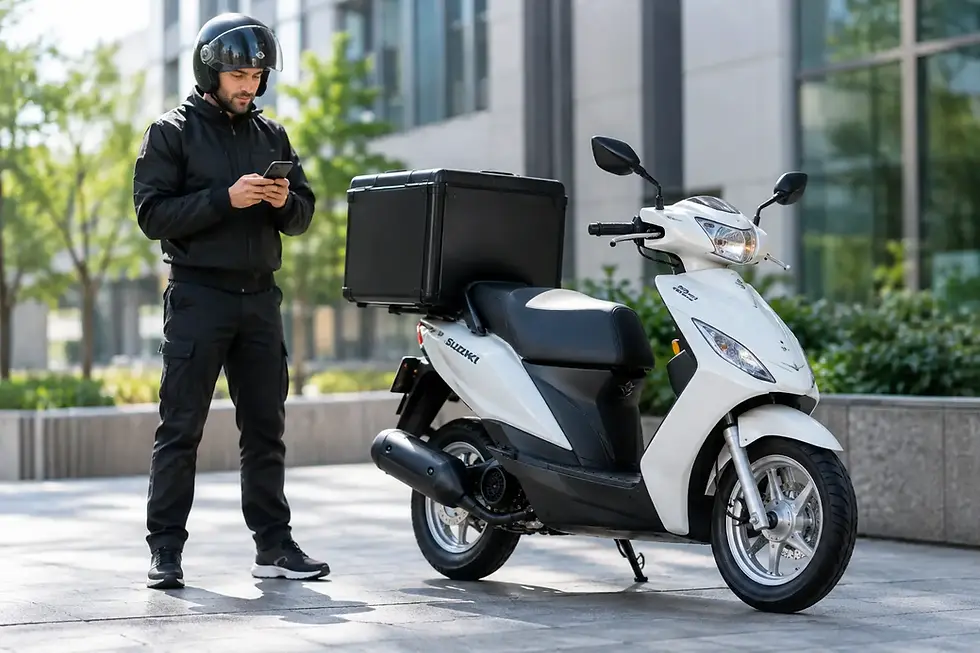
Skootify Australia offers scooter and motorbike rental options built for commuters and delivery riders who want low running costs without the usual ownership hassle. Delivery to your location, mobile mechanical support and emergency help can be especially useful when your vehicle is part of how you earn or get to work.
Make public transport work harder for you
Public transport can be excellent value when your route is direct. It becomes less appealing when you are paying for a slow connection, then relying on rideshare for the last few kilometres. Instead of treating the choice as car versus train, look at a mixed commute.
You might ride a scooter to a station with easier parking, take the train through the busiest part of the trip, then walk from the other end. Or use public transport on days when weather is poor and ride on the days when it saves time and parking fees. Flexibility is often cheaper than locking yourself into one mode of travel.
Check your fare habits too. If you are travelling less because of hybrid work, make sure the pass or fare option you use still suits your actual pattern. Paying for convenience you no longer use is one of the easiest costs to trim.
Protect the savings with simple habits
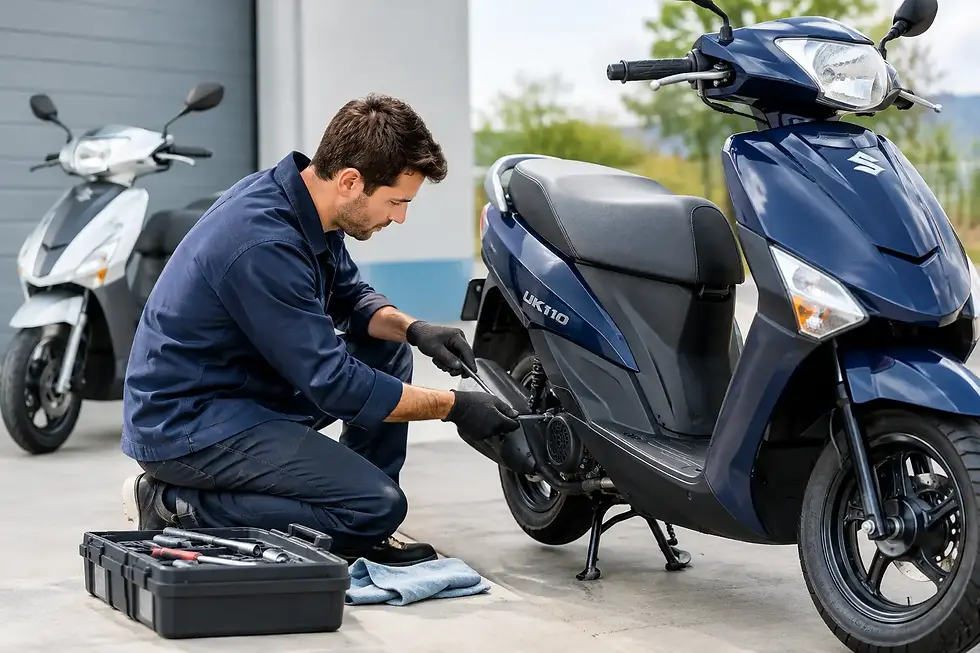
Lower running costs only help if you avoid preventable expenses. Keep tyres correctly inflated, follow service schedules and deal with unusual noises early. On a scooter or motorbike, regular checks of tyres, lights, brakes and fluid levels are not just money savers. They are basic safety.
Pack for the commute the night before. A helmet, wet-weather layer, phone holder and charged mobile can prevent last-minute detours or expensive backup transport. If rain is forecast, decide early whether to ride, catch public transport or work from home if that is an option. A plan beats a costly scramble.
It also pays to separate transport money from general spending. Set a weekly amount for fuel, fares and parking, then review it at the end of the month. If one category keeps blowing out, you have a clear target instead of a vague feeling that commuting is getting expensive.
Spend less without making your commute harder
The cheapest commute is not always the one with the lowest fare. A long, unreliable trip that leaves you late, tired or dependent on rideshare can cost more than it appears. Look for the option that gets you where you need to be reliably, with manageable running costs and less parking stress.
Try one change for the next two weeks: skip paid car parking, combine errands, use a mixed transport route or rent a scooter for your regular work run. Track what you spend and how the trip feels. The right commute should leave more money in your pocket and make getting to work a whole lot easier.

Comments