


CTP Insurance for Victorian Scooter Riders

A low-cost scooter can make the daily trip across Melbourne far easier: less time looking for parking, less spent at the bowser and no car-sized headache in busy traffic. But before you ride, understand how CTP insurance works. It is compulsory for registered vehicles in Victoria, and it is there to support people injured in transport accidents. It is not, however, a catch-all policy for every crash, repair bill or stolen bike.
For scooter riders, delivery workers and anyone renting a motorbike, knowing the difference can save a nasty surprise when something goes wrong.
What is CTP insurance in Victoria?
CTP stands for compulsory third party insurance. In Victoria, it is linked to a vehicle's registration and supports the Transport Accident Commission, commonly known as the TAC. When a registered scooter, motorbike, car or other vehicle is involved in a transport accident, the scheme can help people who are injured, regardless of who caused the accident.
That point matters. CTP is about injury, not the vehicle itself. If a rider, passenger, pedestrian, cyclist or another road user is hurt in an eligible transport accident, they may be able to access treatment, support and compensation through the TAC scheme.
For most Victorian riders, the cost of this cover is included as part of vehicle registration. You do not usually shop around for a separate CTP policy in the way drivers in some other states do. If the registration is current, the vehicle has CTP cover attached to it.
That does not mean every situation is automatically covered, or that every expense will be paid. Eligibility and support depend on the circumstances, the injury and the rules of the scheme. If an accident happens, getting medical attention and reporting the incident promptly is the sensible first move.
What CTP insurance covers
CTP insurance exists to deal with the human cost of a road accident. Depending on the accident and injury, it may help with medical treatment, rehabilitation, income support and other care needs for people injured in a transport accident.
Think of a scooter rider being knocked over by a car at an intersection. Or a rider losing control on wet tram tracks and suffering a broken wrist. In both cases, the injury side of the incident is what CTP is designed to address.
It can also apply when the injured person was not riding. A pedestrian hit by a scooter, a passenger injured on the back of a motorbike or a cyclist involved in a collision may all have a reason to make a TAC claim.
The practical takeaway is simple: CTP helps protect people after an injury. It is a vital part of being on the road, especially when riding among cars, trucks, trams and pedestrians in busy urban areas.
What CTP insurance does not cover
This is where many new riders get caught out. CTP does not pay to repair your scooter after you drop it in a car park. It does not replace your bike if it is stolen. It generally does not cover damage you cause to another person's vehicle, fence, shopfront or other property.
If you rear-end a car and damage its bumper, the injury component may be handled through the TAC if someone is hurt. But the cost of fixing the car and repairing your scooter is a separate issue.
For that reason, riders should understand the other types of cover available:
Third party property insurance can cover damage you cause to someone else's vehicle or property.
Third party fire and theft insurance adds protection if your scooter is stolen or damaged by fire.
Comprehensive insurance can cover damage to your own scooter as well as damage to other people's property, subject to the policy terms, exclusions and excess.
Rental damage cover or excess arrangements set out what happens if a hired scooter is damaged, stolen or involved in an incident.
The right option depends on whether you own the bike, how much it is worth, where you park it and how often you ride. A rider using a scooter every day for delivery work may have different needs from someone who rides to uni twice a week.
CTP insurance when renting a scooter
Renting removes a lot of the admin that comes with owning a vehicle, but it does not remove your responsibility to know what is included. A properly registered rental scooter in Victoria has CTP cover through its registration. That is one less thing to organise before you get moving.
Still, CTP is only one part of the rental picture. Check the rental agreement for the excess, damage liability, theft conditions, permitted riders and what you need to do after an accident. Ask what happens if the scooter is damaged while parked, if a third party is at fault, or if the vehicle cannot be ridden after a crash.
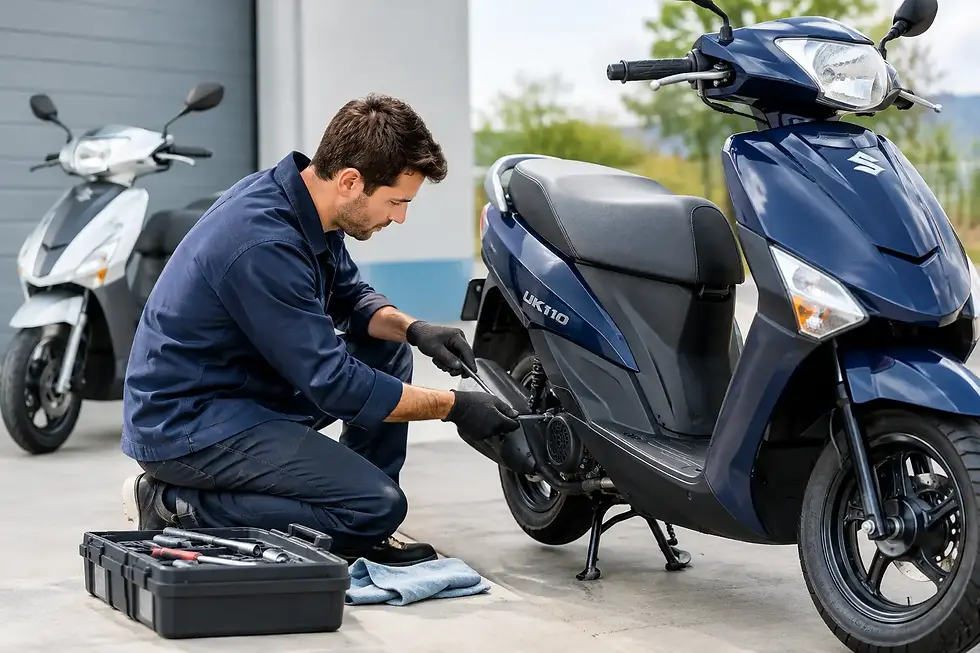
At Skootify Australia, the practical appeal of renting is that key running essentials can be bundled into one straightforward arrangement, including registration, CTP insurance, maintenance and roadside support. That lets riders focus on getting to work, making deliveries or getting around town, rather than chasing separate service bookings.
But a rental vehicle still needs to be treated properly. Ride only if you hold the correct licence, wear an approved helmet, secure the scooter when parked and follow the rental terms. Using a vehicle outside the agreement, allowing an unauthorised person to ride it or ignoring a warning light can create avoidable trouble.
If you have an accident on a scooter
The minutes after a crash can feel chaotic, particularly on a busy road. Start with safety. Move out of danger only if it is safe to do so, call emergency services if anyone is injured or the scene is unsafe, and do not ride away on a scooter that may be damaged.
Exchange details with the other people involved, including names, contact details, registration numbers and vehicle information. Take clear photos of the scene, road conditions, damage and any relevant signs if you can do so safely. If there are witnesses, ask for their contact details.
If you are renting, contact the rental provider as soon as possible. Early notice gives them a chance to arrange recovery, mechanical help or a replacement option where available. It also means you can get clear instructions about incident reporting and any documents required.
Do not guess about fault at the roadside or promise to pay for repairs on the spot. Stick to the facts. The insurer, rental provider, police and TAC processes exist to assess what happened properly.
Why safe riding still matters
CTP is a safety net, not a reason to take chances. Melbourne roads can change quickly: wet paint lines, tram tracks, potholes, opening car doors and impatient peak-hour traffic all demand attention.
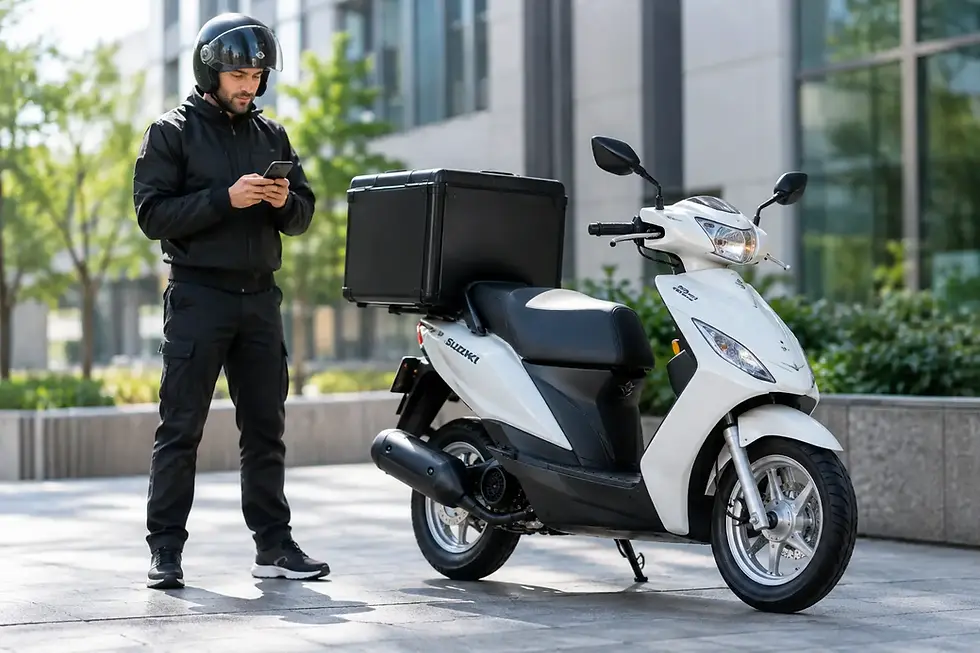
Give yourself extra space in the wet, scan ahead rather than staring at the car directly in front of you, and assume drivers may not have seen your scooter. For delivery riders, pressure to complete one more order quickly is never worth cutting through a red light or taking a corner too fast.
Good gear matters too. An approved helmet is essential, while gloves, a proper jacket, long pants and enclosed shoes offer far better protection than casual clothes. They are not just for long rides. A short trip to the shops can be enough for an accident.
The smart way to think about cover
CTP is the essential injury protection attached to registration in Victoria. Your own financial risk is a different question. Before riding or renting, make sure you understand who pays if the scooter is damaged, stolen or causes property damage, and what excess could apply.
A few clear answers before you leave can keep a simple, affordable ride from becoming an expensive problem. Then you can enjoy what scooters do best: getting through the city with less fuss, less fuel and far less time spent hunting for a park.

Comments