


Commuter Motorbike Beginners Guide for AU Riders

That first weekday ride to work feels very different from the idea of it. The roads are busy, the weather can turn quickly, and a motorbike that looked perfect online can feel wrong within ten minutes in traffic. That is exactly why this commuter motorbike beginners guide matters - it helps you choose a bike that suits real commuting, not just weekend dreaming.
If you are trying to cut transport costs, avoid packed trains, or stop circling the block looking for parking, a commuter bike can make a lot of sense. It is cheap to run, easy to park, and quick through urban streets when traffic is crawling. But beginner riders often focus on the wrong things first. Styling, top speed and engine size sound exciting. Comfort, running costs, low-speed control and reliability are what actually make daily commuting easier.
Commuter motorbike beginners guide: start with the job
Before looking at brands or prices, think about your actual ride. A ten-minute trip through inner suburbs needs something different from a 45-minute run that mixes main roads and faster sections. If your route is mostly city traffic, lighter is usually better. If you need to sit at higher speeds every day, stability and wind protection start to matter more.
This is where many beginners overbuy. A bigger bike can feel like the safer option because it seems more capable, but in daily traffic it can be heavier, more expensive to fuel and insure, and harder to manage at low speed. For commuting, easy control beats bragging rights every time.
A practical beginner commuter bike should feel manageable when you are filtering into a parking spot, stopping on a slope, or doing a U-turn in a tight street. You want something that helps you feel calm, not something that keeps reminding you how much power sits under your right hand.
What kind of commuter bike makes sense?
For most beginners, the sweet spot is a small to mid-capacity bike or scooter that is simple, economical and forgiving. That usually means something with enough power for urban travel and occasional faster roads, without becoming bulky or intimidating.
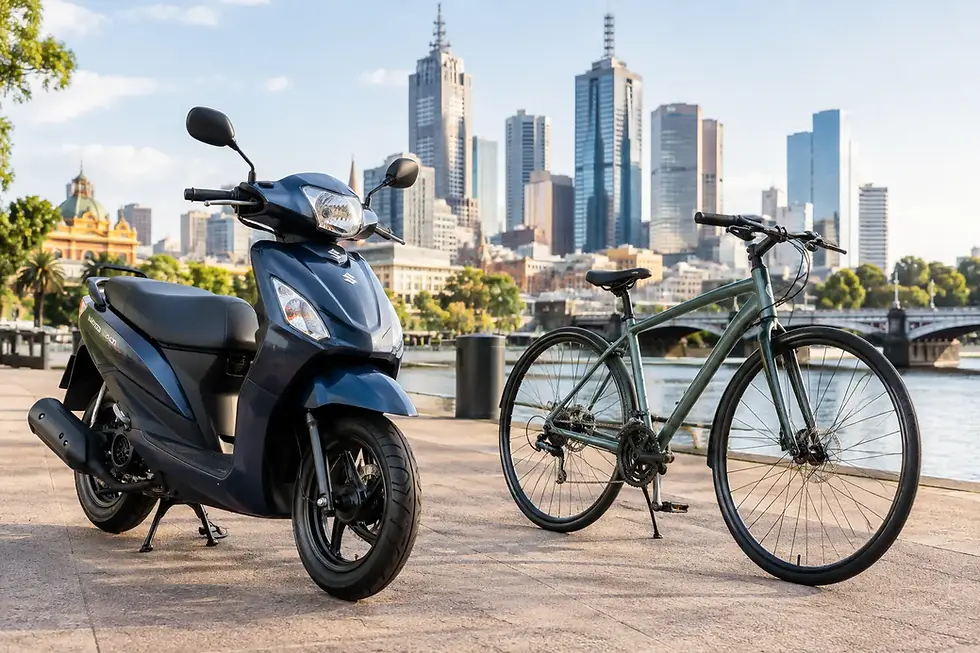
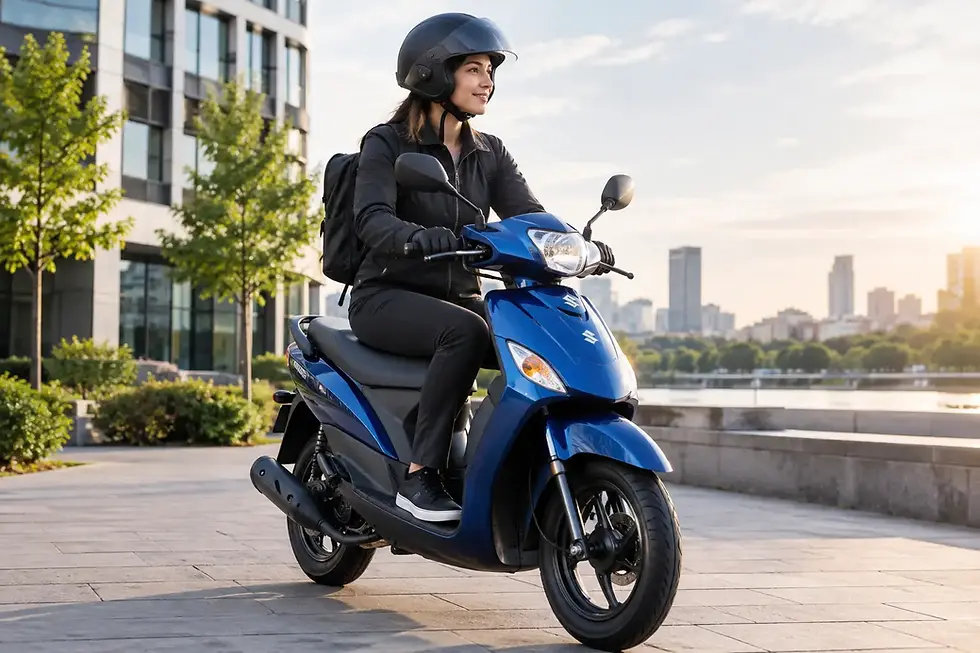
Scooters are often underestimated, but for commuting they make a strong case. They are easy to ride, often have automatic transmission, and many include practical storage. If your main goal is getting from A to B with less fuss, they are hard to ignore. A traditional motorbike may suit you better if you want manual gears, a more planted feel at speed, or a riding style that can grow with you over time.
Neither option is automatically better. It depends on your route, your confidence and how much convenience matters to you. For stop-start city riding, a scooter can be the easiest entry point. For a longer mixed commute, a beginner-friendly motorbike may feel more versatile.
The commuter features beginners should care about
Seat height matters more than many new riders expect. If you can get both feet down comfortably, slow-speed riding and stopping become far less stressful. A bike that feels fine once moving can feel awkward every time you stop at lights if the seat is too high.
Weight is just as important. A lighter machine is easier to push, park and recover from small mistakes. Daily commuting includes plenty of low-speed moments, and that is where confidence is built or lost.
Fuel economy is one of the biggest wins. One reason people switch from cars or regular rideshare use is simple maths. A commuter bike that sips petrol can save a serious amount over a month, especially if you are travelling regularly across Melbourne suburbs or into busy activity areas where car parking adds another cost.
Storage can also make or break your routine. Where will your work gear go? What about a lock, wet weather gear or a few groceries on the way home? If the bike has no built-in storage, you may need a top box or backpack, and that changes comfort and convenience.
Finally, look at maintenance reality, not just purchase price. A cheap bike that is unreliable is not cheap. Commuting only works well when your transport is ready to go every morning.
Commuter motorbike beginners guide to real costs
The purchase price is only one part of the decision. Beginners often budget for the bike and forget the extras that come immediately after.
You will need a helmet that fits properly. You may also need a jacket, gloves and proper footwear. Add registration, insurance, servicing and fuel, and the total cost starts to look different. That does not mean commuter bikes are expensive compared with cars - usually the opposite - but it is better to look at the full picture from the start.
This is where flexible rental can be a smart move for beginners. Instead of paying upfront for a bike, then sorting registration, maintenance and other running items separately, some riders prefer a bundled option that keeps things simple. For people testing whether two-wheel commuting suits their routine, that lower-friction approach can make a lot of sense.
New or used?
A new bike gives you predictability. It usually comes with warranty support, fewer surprises and modern safety features. The downside is the higher initial cost.
A used bike can save money, but only if it has been looked after. Beginners sometimes buy on price alone and end up with worn tyres, overdue servicing or hidden damage from drops and poor repairs. If you do go used, condition matters far more than flashy accessories.
If you are unsure what suits your route, renting before buying can save you from choosing the wrong machine. It is one of the easiest ways to learn what feels comfortable in traffic, what storage you need and whether your commute suits a scooter or a motorbike better.
What to avoid on your first commuter bike
Avoid anything that feels too tall, too heavy or too aggressive for your current skill level. You should not need to talk yourself into feeling comfortable. If a bike makes low-speed riding stressful during a short test ride, that feeling usually gets worse in peak-hour traffic, not better.
Be careful with heavily modified bikes. Loud exhausts, chopped guards and cosmetic changes might look appealing, but they can hide poor maintenance or make daily commuting less practical. Your first commuter should make life easier, not create more jobs.
Also avoid buying based on occasional use. If 90 per cent of your riding is weekday commuting, do not choose a bike mainly because it would be fun on the odd weekend blast. Build around your real use first.
Riding in traffic as a beginner
Commuting is not the same as learning in a quiet street. You need to think ahead, leave space and stay visible. Smooth riding matters more than fast riding. Good commuters are predictable, not rushed.
Wet tram tracks, painted lines, roundabouts and drivers changing lanes without much warning are all part of the metro riding experience. That does not mean commuting by bike is risky by default, but it does mean your first bike should help you stay relaxed and in control. A manageable bike gives you more attention for the road.
It also pays to keep your setup simple. A secure phone holder for navigation, quality mirrors and decent weather gear can make the daily ride much easier. These are not glamorous upgrades, but they improve the actual commute.
When renting makes more sense than buying
Not everyone wants to jump straight into ownership. If you are a student, working casual shifts, new to Australia, doing delivery work, or simply trying to keep costs predictable, renting can be the practical move.
The appeal is straightforward. You get access to a commuter bike without wearing the full upfront cost of buying one, and bundled support can remove the usual hassle around maintenance and breakdown worries. For someone who needs transport now, not six months from now, convenience matters.
That is why services like Skootify Australia appeal to commuters and riders doing delivery work. When registration, maintenance, roadside support and the basics are already handled, it becomes much easier to focus on getting to work and getting home without transport drama.
The best beginner choice is usually the one you will actually ride
A commuter bike does not need to impress anyone. It needs to start reliably, feel easy in traffic, keep costs under control and fit your weekday life. That is the real test.
If you are choosing your first commuter, be honest about your route, your budget and your confidence. Go smaller if you are unsure. Prioritise comfort over ego, practicality over image, and simplicity over features you may never use. The right bike is the one that makes Monday morning easier, not the one that looks best parked outside a café.
Pick the option that removes friction from your day, and you will be much more likely to keep riding.

Comments