


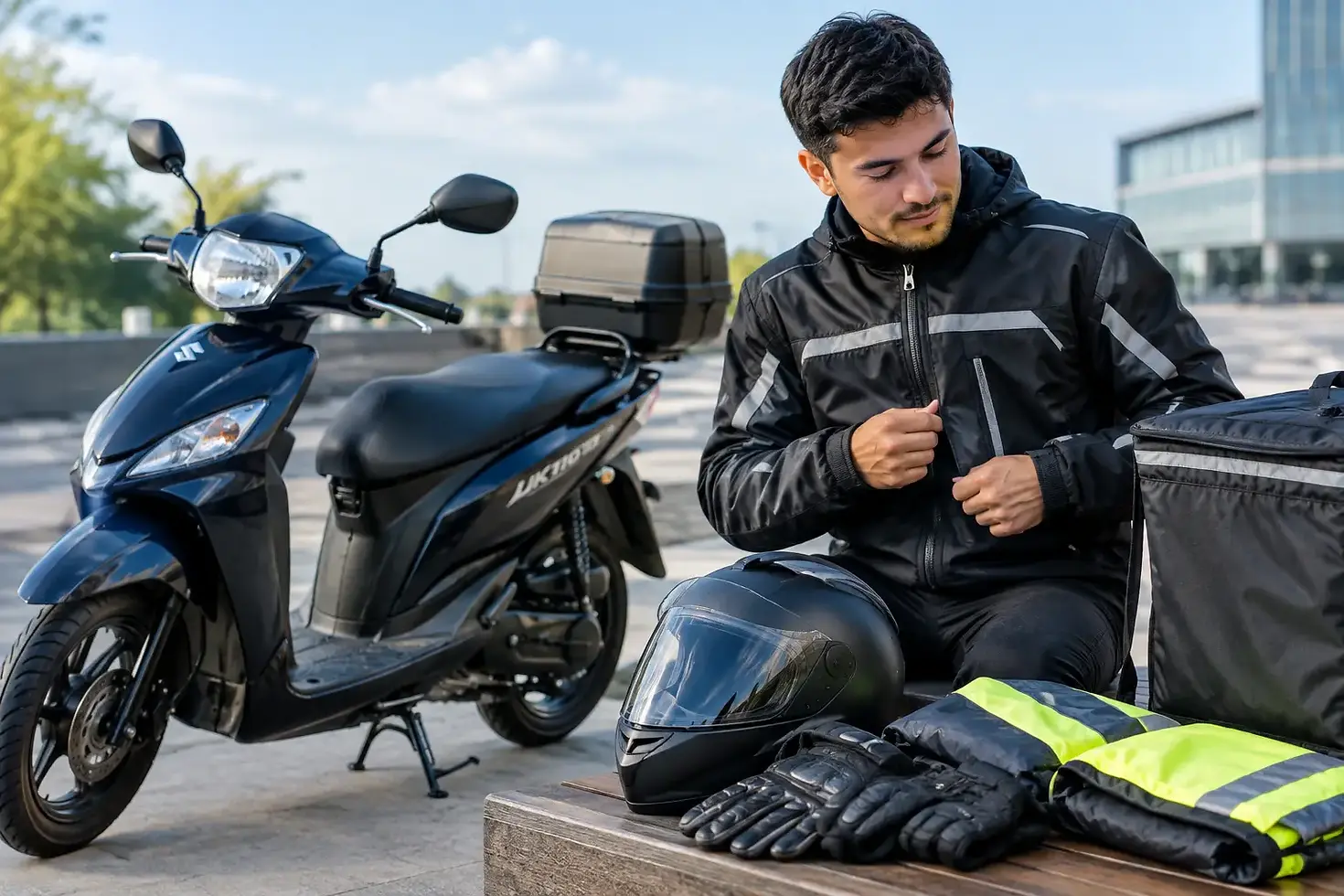
Delivery Rider Gear Checklist for Safer Shifts

A delivery shift can turn quickly. One minute you are collecting a hot order in St Kilda, the next you are riding through rain, checking an unfamiliar address and trying to keep your mobile alive. This delivery rider gear checklist focuses on the gear that makes every shift safer, more comfortable and easier to manage - without loading your scooter or motorbike with stuff you do not need.
The right setup is not about buying the most expensive gear. It is about being ready for wet roads, changing weather, long hours, hot food, cold drinks and the stop-start pace of delivery work. Get the essentials sorted before you accept orders, then adjust your kit for your vehicle, delivery zone and the season.
Delivery rider gear checklist: start with safety
Your helmet is the first item to get right. It needs to meet Australian safety standards, fit snugly without pressure points and have a secure strap that stays comfortable across a full shift. A loose helmet is distracting and unsafe. A helmet that is too tight can give you a headache before dinner rush even starts.
A clear visor matters more than many new riders expect. Clean it before every shift and carry a soft cloth so you can wipe off rain, dust and bugs without scratching it. If you ride at night, avoid heavily tinted visors. They may look good in daylight but can make potholes, tram tracks and pedestrians harder to spot after dark.
Protective clothing should cover your arms and legs, even when Melbourne serves up a warm afternoon. A proper riding jacket with abrasion resistance and armour is the better choice, but a sturdy long-sleeve layer is a sensible minimum. Wear long pants and enclosed footwear that protects your ankles, grips the footpegs and will not slip on wet pavement.
Gloves are a small purchase that pay off fast. They improve grip, protect your hands in a fall and stop wind chill from making your fingers stiff. Choose gloves that let you use your mobile screen when parked, or keep a stylus in your bag. Never try to manage an app while moving.
Visibility is gear, not an optional extra
Delivery work often happens during peak traffic, at dusk and in poor weather. Other road users need to see you early. A high-visibility vest, reflective strips on your jacket or backpack, and bright rain gear can make a real difference when visibility drops.
Check your scooter or motorbike lights before setting out. Your headlight, brake light and indicators should all be working. Add a compact torch or headlamp to your kit for dark apartment entries, poorly lit side gates and checking your vehicle if something does not look right.
Keep the order secure and at the right temperature
A quality insulated delivery bag is the centrepiece of any delivery setup. It should be large enough for the types of orders you normally carry, but not so oversized that it catches wind or becomes awkward in tight spaces. Look for a bag with a firm base, insulated walls, strong zips and internal dividers or straps.
Hot and cold items need different treatment. Keep hot meals upright and packed firmly so containers do not slide around. Cold drinks, desserts and groceries should be separated where possible. If your platform or restaurant supplies sealed bags, they still need to sit flat inside your carrier.
Carry a few simple extras: a clean towel for spills, spare food-safe bags, elastic straps or bungee cords for approved external cargo setups, and a small rubbish bag. Do not balance loose orders on the seat, hook bags over your handlebars or carry items in your hands. A shortcut can become a dropped order or a dangerous loss of control.
It also pays to check your bag between runs. Wipe it down, remove old receipts and make sure there are no lingering smells or leaked sauces. Customers may never see inside your bag, but a clean, well-kept setup helps protect their food and your ratings.
Set up your mobile for delivery work
Your mobile is your dispatch system, map, customer contact point and proof-of-delivery camera. It needs a secure mobile holder mounted where you can glance at navigation without taking your eyes off the road for long. Position it so it does not block your instruments or controls.
A weather-resistant mount is worth considering, especially for riders working through winter. The mobile should be easy to remove when you park, but hard to shake loose over rough roads. Test the mount on a short ride before trusting it during a busy shift.
Battery life can disappear quickly when delivery apps, GPS, data and a bright screen are running for hours. Carry a charged power bank and the right cable, or use a properly installed vehicle charging point. Keep your charging cable tidy so it cannot interfere with steering, braking or your legs.
Before going online, download local map areas if your navigation app allows it and check that your mobile has enough storage for photos and app updates. A waterproof mobile pouch can help in heavy rain, but make sure the screen remains usable and the camera is not blocked when you need to confirm a drop-off.
Pack for Melbourne weather, not the forecast at breakfast
Melbourne weather can change halfway through a shift. A compact waterproof jacket and waterproof overpants are far more useful than hoping the rain will miss you. Choose gear that can go over your normal riding clothes quickly, with reflective details and cuffs that seal out water.
A neck warmer or buff is handy on cold mornings and windy nights. In summer, carry water and take regular sips between orders. Heat can affect concentration just as much as cold or rain. Sunscreen is also worth keeping in your bag if you are riding through the middle of the day.
For winter, add a spare pair of dry socks and lightweight waterproof gloves or glove covers. Wet hands and feet make a long shift miserable, and they can reduce your control of the bike. If rain is heavy enough to affect visibility, braking or road conditions, slow down and decide whether continuing is worth the risk. More orders are never worth a crash.
The small essentials that save a shift
A compact rider kit prevents minor problems from becoming shift-ending problems. Keep it organised in a waterproof pouch so you can find what you need quickly.
Your licence, payment card, vehicle documents and any platform identification you need
A small first-aid kit with bandages, antiseptic wipes and pain relief
Tyre pressure gauge, puncture repair option suited to your vehicle and a basic tool kit
Microfibre cloth, hand sanitiser, tissues and a spare face covering if required by your workplace
Water, a simple snack and emergency contact details written down as a backup
The exact tools depend on your scooter or motorbike. If you are unsure what to carry, start with the manufacturer’s recommendations and learn how to handle basic checks safely. For bigger issues, roadside assistance is the smarter option than trying to repair a vehicle at the kerb during peak traffic.
Check the bike before you chase orders
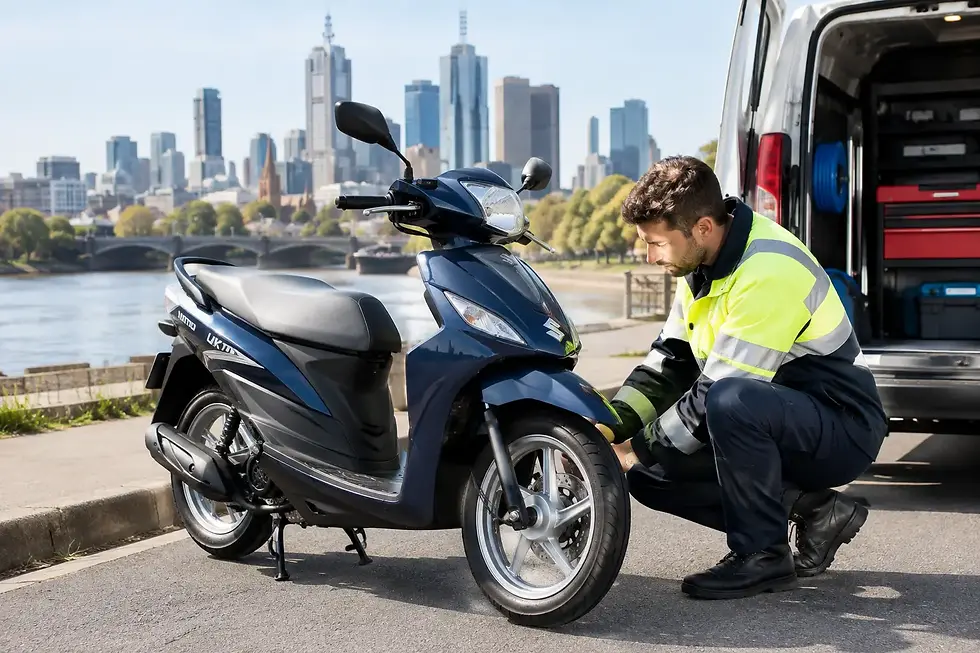
Good gear cannot make up for an unprepared vehicle. Take two minutes before each shift to check tyre condition and pressure, fuel level or battery charge, lights, brakes, mirrors and visible leaks. Make sure your delivery bag, mobile holder and any cargo setup are properly secured.
If your scooter is rented, know who to contact if you have a mechanical issue. Skootify Australia renters have access to maintenance and roadside support, which can remove a lot of stress when delivery work is your income. Even with support available, reporting a strange noise, soft brake feel or damaged tyre early is always the better move.
You should also set up your riding position. Mirrors need to show the lane behind you, not your shoulders. Keep your pockets clear of loose objects that could fall out, and put keys, cards and your mobile somewhere secure but easy to reach once you are parked.
Choose gear that fits your shift, not someone else’s
A rider doing two lunchtime runs has different needs from someone working five nights a week across Melbourne. Start with the safety basics, a dependable insulated bag, mobile power and wet-weather protection. Then build your kit based on what actually slows you down or makes you uncomfortable.
Do not overload yourself. A huge backpack, too many tools or bulky layers can make riding harder and put extra strain on your shoulders. The best delivery setup stays secure, balanced and easy to use when you are tired.
Set your gear out before your next shift, check your tyres and charge your mobile before you leave. A calm start gives you more time to ride safely, protect every order and finish the day ready to do it again.


Comments